Department of Biomedical Engineering
Advanced Graduate Certificate in Biomanufacturing Project Management
The BPM certificate equips you with the leadership skills, technical training and real-world experience needed to step confidently into high-demand roles in biomanufacturing, clean tech and the broader bioeconomy.
Careers in Biomedical Engineering
The biomedical engineering job market is rapidly growing as advances in the bioengineering and biomedical sciences are improving healthcare.
There are numerous opportunities for graduates with the specialized training offered at Binghamton University.
Job Opportunity:
Postdoctoral Research Fellow Position
Questions about BME?
- Kathleen Feczko, Graduate Program Coordinator: 607-777-5779
- Michelle Beavers, Undergraduate Program Coordinator: 607-777-5483
Accelerate your biomedical engineering education at Binghamton
Binghamton University offers a combined bachelor of science (BS) and master of science (MS) in biomedical engineering for motivated students working toward their BS in biomedical engineering.
Undergraduate Programs
A biomedical engineering degree from Binghamton University prepares students for leadership positions in the biomedical industry, academy, business, education, entrepreneurship and for success in a global environment.
Pre-Med Biomedical Engineering (BS) 4+1 Biomedical Engineering (BS/MS) BIOMEDICAL ENGINEERING HONORS PROGRAM BIOMEDICAL ENGINEERING MINORGraduate Programs
The goal of the BME graduate program at Binghamton University is to prepare students for careers in industry, academia or research lab environments by offering a flexible program of coursework and mentoring that enables students to engage in creative and independent research on a cutting-edge research topic.
Biomedical Engineering (MS, PhD)Our Community and Network
Binghamton's biomedical engineering alumni are working in different industries across the globe, but they undoubtedly have a few things in common: passion, purpose and pride in their education from the Biomedical Engineering Department.
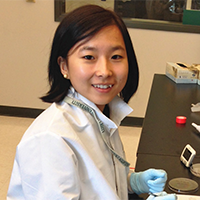
Xue Liu, PhD '17
Postdoctoral Fellow, NIH/National Center for Advancing Translational Sciences
