Success Coaching connects students to resources across campus
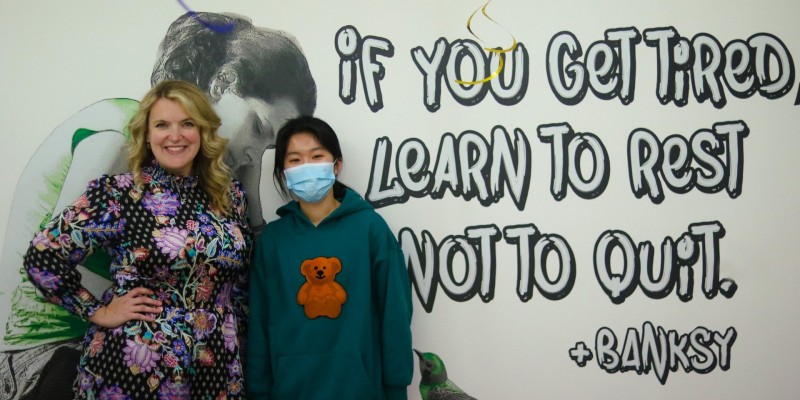
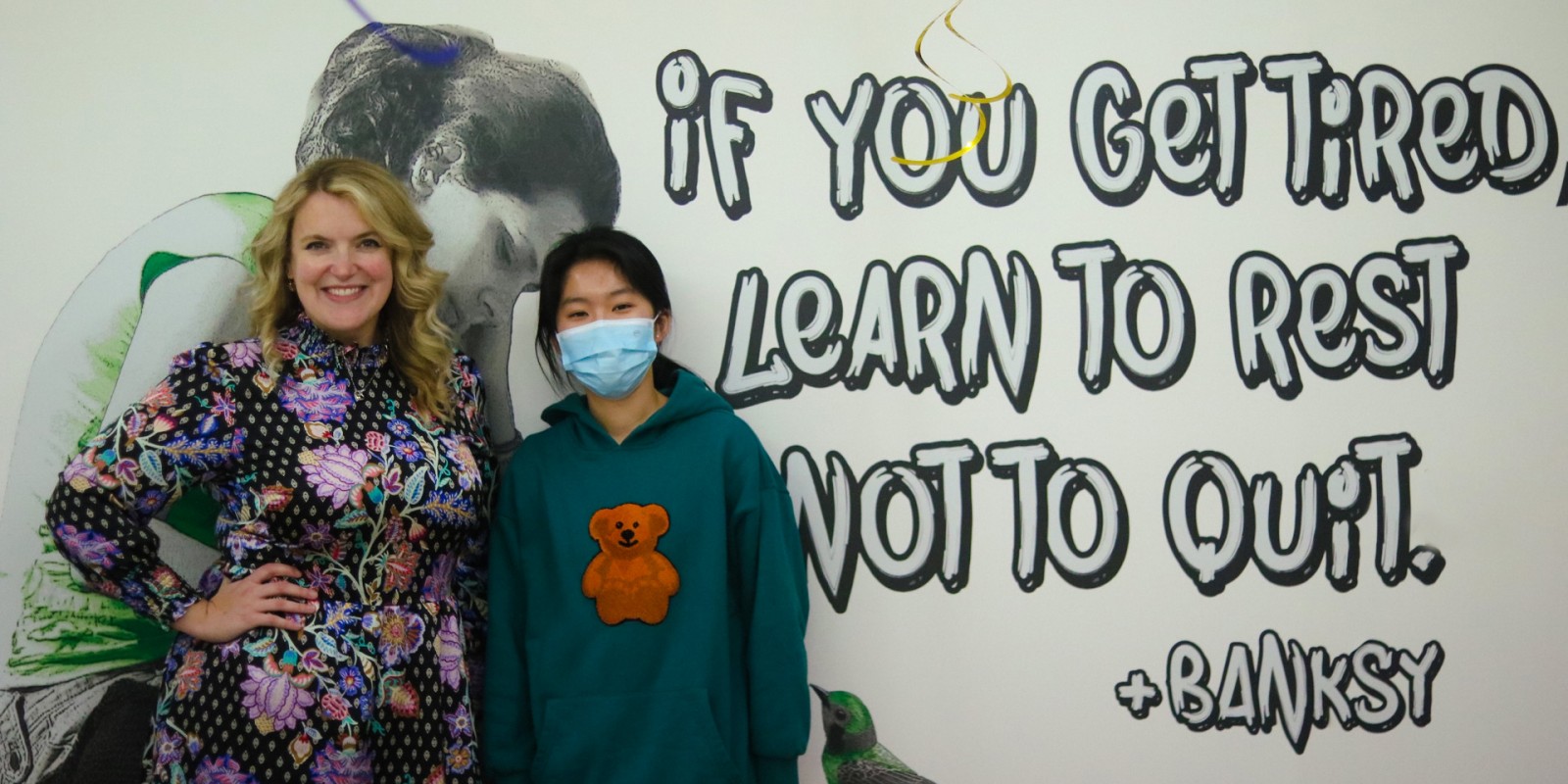
Sophomore Summer Lin wasn’t terribly worried when she didn’t do as well as expected on the first test in her organic chemistry class last fall. “Orgo” is notorious for being difficult, even among the best students.
“I got an email and an automated text from Lauren [Morris, assistant director of student transition and success] saying ‘I’m here to assist you if you need it,’” Lin said. “After my first test I didn’t think it was something I needed at that time — maybe it was just the first test. Sometimes you have to get into the flow again. But after the second test, I realized something was off.”
She connected with her professor for advice on how she could improve, but since she was otherwise performing well on her classwork, the best advice she received was to keep doing what she had been — attending office hours multiple times a week and putting in plenty of time reviewing and practicing. Then Lin remembered the text and email she had received from Morris.
Her test score had triggered an alert in the campus Advise platform, implemented by the Office of the Provost in fall 2021, which allows faculty to notify students early in the semester if they are struggling in a class. The messages Lin received were sent by the Department of Student Transition and Success (STS), but offices across Binghanton University utilize the system, including Financial Aid, International Student and Scholar Services, academic advisors and others.
“I went back to that text and email, and that’s when I set up my first meeting with Lauren,” Lin said. “I didn’t really know what success coaching was all about. I just felt it would be nice to talk to someone about what I was going through and see if it was normal and if there were other resources I could use or ways I could improve.”
The Success Coaching program was launched by STS in spring 2020 to ensure student success, just as the pandemic transformed lives and drastically altered the academic landscape. The idea was to create a one-stop shop where students could learn about the vast array of support services provided by offices and divisions across the University.
Students can choose to meet with peer or professional success coaches, who help formulate an individualized plan for success based on the concept of positive psychology — identifying appropriate resources and study methods or organizational techniques that best complement a particular student’s situation.
Even as the effects of the pandemic have waned, STS has seen an increase in student interest.
“Our team created an entirely new service, and the growth we’ve seen since the program launched reflects the need,” said Assistant Vice President for Student Success Kelli Smith. “Students initiated over 500 peer and professional staff appointment requests this fall — a 60% increase from fall of 2021. In addition to those appointments, we piloted a new ‘success team’ concept for our UNIV 101/First Year Experience courses, which resulted in another 400 individual student appointments.”
Over the rest of the semester, Lin attended success coaching sessions with Morris, discussing new things to try and reflecting on what worked and what didn’t. Morris suggested studying with peers in addition to the individual work she was already doing. She encouraged Lin to add a weekly organic chemistry tutoring session with University Tutoring Services to her schedule, in addition to continuing to go to office hours and studying on her own.
“The office hours held by the professor are helpful,” Lin said, “but not on the same level as the tutors, because the tutors actually go into example-based problems and answer questions. Sometimes you don’t know what questions you have until the tutors bring them up, and that helps, too.
“[The tutors] are students who have taken the class,” continued Lin, “so they know what’s been on the final before and things like that. The problems that we did in tutoring sessions helped me solve problems that I had on the tests.”
Morris also suggested that Lin engage in some small-group study sessions with classmates, which she found helpful.
“We have discussions in class and we have groups of three other people we work with,” Lin said, “If I had a question, I would shoot them a quick text or if we had time, we would meet up and I would ask them questions before the test.”
The comradeship was a comfort for Lin, and she found similar balm in just talking about what was going on with Morris.
“She reassured me that everything was alright,” Lin said. “I enjoyed talking with someone — it’s good to let it out instead of keeping it all pent in. She’s also been a personal support, which I really appreciate.”
Lin found that with the right attitude and asking for help when she needed it, things started to turn around for her.
“I liked the score I got on my third test,” she said, “so I realized it was working.”
“Summer has worked hard in developing her success plan by creating better routines that fit her daily life as a student,” Morris said. “It has been an honor to witness her resiliency and growth.”
Lin continued to consult Morris throughout the fall semester, and plans to check in with her again this semester as she tackles Organic Chemistry II.
“In preparation for finals week, I sat down with Lauren, telling her what my study schedule looked like for the day. I like the Pomodoro Technique,” Lin said. “You block out your time and take breaks. It’s nice to set the goal that certain hours you’re allocating to studying, but you’re also scattering some 10 minute breaks in between to let yourself relax. My goal is to focus on getting the grade that I want but not stress too much about it, because when you’re studying, if you’re not in the zone of studying, then what’s the point of it? You just forget.”
Peer success coaches are also available for students who feel more comfortable engaging with other students to learn new study techniques, and STS also offers supplemental instruction — a non-remedial, structured group study environment led by undergraduate students, called SI leaders, who have previously taken and excelled in courses that historically have high rates of D, F and W grades. Lin said she can see the value of meeting with peer coaches and SI leaders and may pursue that in the future, but she also really appreciated the opportunity to speak about her situation with professional staff.
“Talking to my roommate doesn’t bring the same reassurance as meeting with success coaches,” she said. “They have met with many other students, and they understand the situation and know the resources that are out there for me. When I asked the professor what else I could do, she didn’t have much to give me, but Lauren had answers.
“I definitely have seen an improvement in my test scores overall with the use of success coaching,” Lin said, “and it has made me feel comfortable talking about what I could have done differently because it allows me to reflect and grow. Hopefully, that’s something that other students can also utilize to be successful in courses.”
Morris is also eager to continue working with Lin and other students to reach their full potential.
“Every semester brings different challenges and opportunities for students to recreate their practices,” Morris said. “As we look forward to the rest of the spring semester, I can’t wait to see Summer and many others prioritize themselves and spend some time with a coach reflecting on their abilities and the resources that can help them continue to flourish on their academic journey.”