Professor studies macro-implications of addictions and intervention
Faculty member studies challenges to substance-abuse treatment and prevention

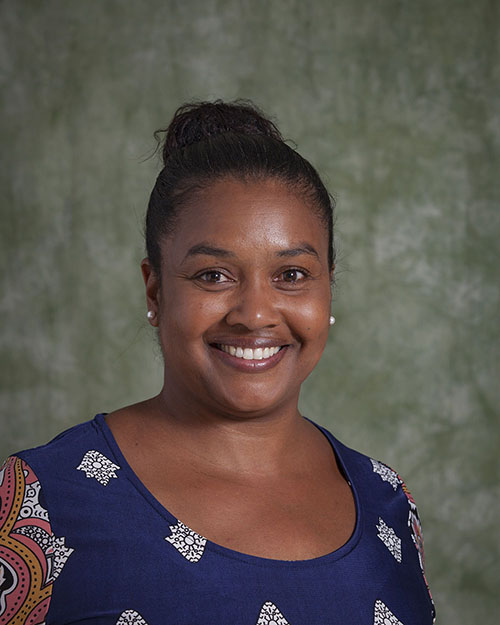
You’re a recovering alcoholic who moves to a new neighborhood where residents are protesting the construction of a drug and alcohol treatment facility on your street. Among their concerns are the kind of people who will be getting treatment, and the impact the site would have on their property values. Their opposition could end up preventing people like you from getting access to treatment and services for substance abuse.
Assistant Professor of Social Work Miesha Marzell studies how environmental factors and governmental policies can work both for and against the treatment of substance abuse. Her research examines how influences from community, family, school and friends can cause harm or even increase an individual’s likelihood to use alcohol or drugs.
“I want to translate scientific evidence into recommendations for substance-abuse prevention, public policy and clinical practice,” she said.
She focuses on stigmas to drug and alcohol use by society; policies regarding alcohol and enforcement of those policies; education and public outreach; and availability of services once someone becomes addicted.
“It’s not just about changing the individual, it’s about changing the individual’s circumstances that have influenced the substance abuse or addiction,” Marzell said.
Marzell joined the Social Work Department in fall 2016. One of the first relationships she established within the local prevention-intervention community was with the Addiction Center of Broome County (ACBC). The ACBC provides outpatient clinic and rehabilitation services for people in recovery or suffering from addiction, and estimates that more than 1,300 people walked through its doors for treatment last year. According to Executive Director Carmela Pirich, the ACBC works with the University in many ways, including collaborating with faculty on research, and hosting students for site practicums and internships.
Pirich said research showing that addiction is chronic and biological in nature has contributed to using more evidence-based practices, informed by research, for mainstream treatment. It also makes the relationships among practitioners and scholars in the prevention-intervention arena so vital.
Marzell said harm reduction, as opposed to completely abstaining from alcohol or drugs, is also more realistic for certain populations, like college students, to reduce negative consequences related to substance abuse for themselves and others.
She adds that the primary goals of her research are to reduce harm, prevent high-risk substance use and improve mental health, specifically among racial/ethnic minority youth, college students and athletic populations.
“I look at what factors can influence their behavior and, ultimately, promote healthier choices and lifestyles among these groups,” she said.
Community-based research and interventions
Marzell takes a harm-reduction approach to her work, focusing on how environmental factors can help limit substance abuse and addiction. She conducts community-based research, working closely with local practitioners and people with substance abuse.
“Community-based research is a collaborative effort between academics, practitioners and community members to generate new knowledge that will be beneficial to all stakeholders,” she said.
Of special interest to her are factors that influence youth and young adults in the choices they make about using drugs and alcohol. Populations in the age groups that Marzell studies — college students, student-athletes, and racial and ethnic minorities — are more at risk for abusing drugs and alcohol, she said.
“I am a prevention-intervention researcher. The prevention component is looking at how environmental strategies and policies can help people make healthier decisions and reduce harm,” she said. “The prevention component goes away once someone is addicted. The question then becomes, ‘Do people have the best opportunities to navigate through systems most effectively when coping with addiction?”
One barrier is when a community resists efforts to treat addiction.
“Stigmas and public perceptions of addiction can create barriers for the people seeking assistance,” she said. “Residents gathering to protest the opening of a rehab facility in their neighborhood is an example of how socio-environmental circumstances can affect the treatment of drug and alcohol abuse.”
But the community can also be a proponent in prevention and intervention: “We can empower communities to engage in activities such as peer mentoring and leadership programs, which can be effective in reducing the use of alcohol or drugs,” Marzell said.
Her research suggests that sharing easy-to-implement prevention strategies can reduce the harm related to substance abuse.
“It could be as straightforward as starting a coalition with college students and local government representatives about which bars have looser carding policies and allow underage drinking,” she said.
Marzell believes Binghamton presents opportunities for prevention research because it comprises an urban core and surrounding rural areas, which will allow her to work with many different populations. Marzell, who is a native of the West Coast and was an assistant professor at the University of Iowa before coming to Binghamton, said this location is an ideal incubator to study diverse populations, which could lead to new evidence to inform policy at both the local and state levels.
“The Northeast, especially New York state, is very progressive in terms of public campaigns and outreach on substance-abuse prevention. You would never turn on the television in the Midwest and see a commercial promoting new addiction treatment services in the state,” she said. “I want to contribute to that widespread effort, which is part of the reason I came to Binghamton.”
A central component of her community-based research is establishing strong partnerships with individuals who are “boots to the ground” and entrenched in work to prevent substance abuse and fight addiction. She and Pirich are collaborating on a new project that examines which policies are promoting healthier choices in Broome County.
She is also engaged in research that examines the effects of marijuana policies on youth and racial/ethnic minorities.
“Yes: We need treatment. Yes: We need counseling. But strategy and policy reform should prioritize access to education, treatment and recovery services to promote decision making,” she said.