Kimberly Yousey-Elsener’s research drives new curriculum
Research Associate Professor helps transform Higher Education and Student Affairs curriculum with practical, hands-on experiences
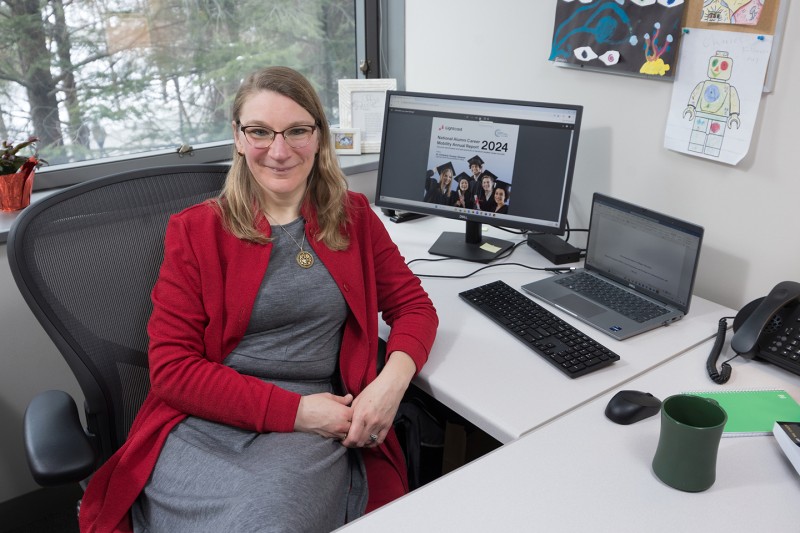
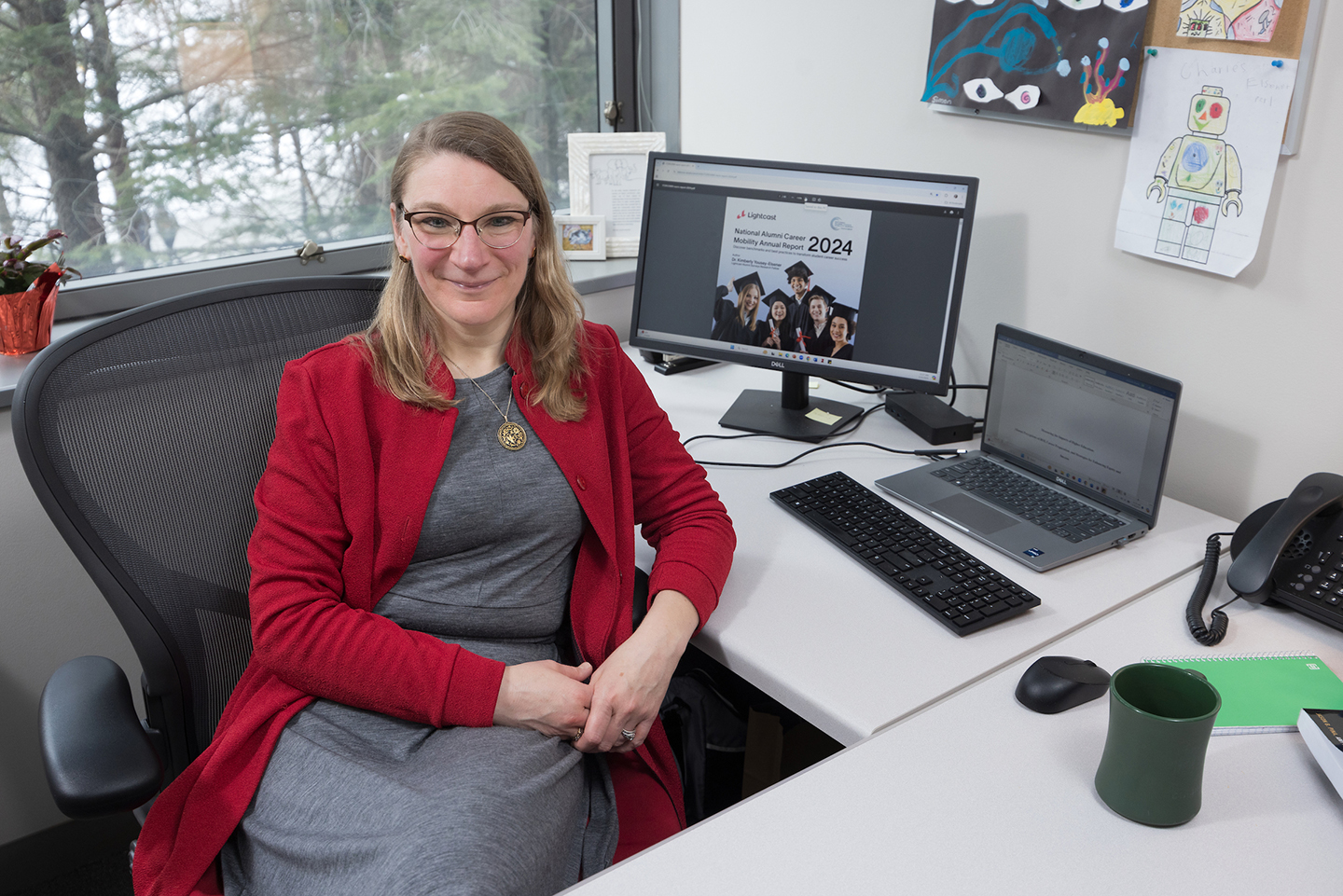
Binghamton students pursuing a career in higher education will soon experience a revamped curriculum designed to seamlessly blend theory with the hands-on practice they need to excel as leaders in the field. The Higher Education and Student Affairs (HESA) Master of Science program, formerly the Student Affairs Administration program, intends to provide students with the knowledge and skills to be effective student services administrators.
In recent years, the higher education landscape has evolved, and national enrollment challenges have emerged, leading to changes in student needs. The HESA faculty is addressing these new demands, with Kimberly Yousey-Elsener, a research associate professor in the program leading the charge.
“Our students were asking for a more practical, updated curriculum,” Yousey-Elsener says. “The new curriculum is intentionally designed with fewer electives and more required courses, and we are focusing on infusing practice into them for added experience and career preparation.”
Student feedback isn’t the only driving force behind the changes: they are based on research. Since 2021, Yousey-Elsener has led the National Alumni Career Mobility Survey, which collects data from alumni from institutions across the country. The survey asks alumni five and 10 years after graduation how their education influenced their career, economic mobility and community involvement. The aim is to inform institutions on actionable strategies to improve student satisfaction and success.
Yousey-Elsener’s research indicates several ways faculty and institutions can enhance alumni career success, including helping students understand what career opportunities exist and how to make a career plan, offering networking opportunities and career advice from faculty and employers, and providing internships. These are all factors Yousey-Elsener and other faculty members consider as they update the curriculum.
Some courses lend themselves more naturally to hands-on experiences, but even those that traditionally involve more research and writing are evolving. For example, students in the Research Methods class complete an annotated bibliography, which helps them understand what research exists in the field. They then write a mini-research proposal and turn that into a conference proposal. These last steps provide experience with what practitioners do with their research.
A newly developed course, Admissions to Alumni, introduces students to career opportunities that populate the student life cycle, from enrollment management and alumni engagement to student retention and success. Alumni panelists discuss their experiences and engage in informational interviews with the students, providing them with networking opportunities, insight into available careers and advice from individuals who have traveled a similar path.
“I thoroughly enjoyed the ability to ask successful alumni what led them to where they are today,” says Kylie Gottlieb, a second-year HESA student who took Yousey-Elsener’s course last fall. “Sometimes it’s difficult to project five or 10 years into the future and attempt to envision what my life will look like. Speaking with alumni who’ve had similar educational paths and went through the job search process was reaffirming for me.”
Most exciting for Yousey-Elsener is that, even in these early stages, students are gaining a broader perspective of the field.
“They understand how the work is connected,” she says. “In reflecting on their classroom experiences, the students are identifying new areas of career interest, as well as demonstrating an understanding of how the different areas of student affairs relate to one another and contribute to a holistic college experience.”