Binghamton students named university innovation fellows
Pair aims to unite students through entrepreneurship
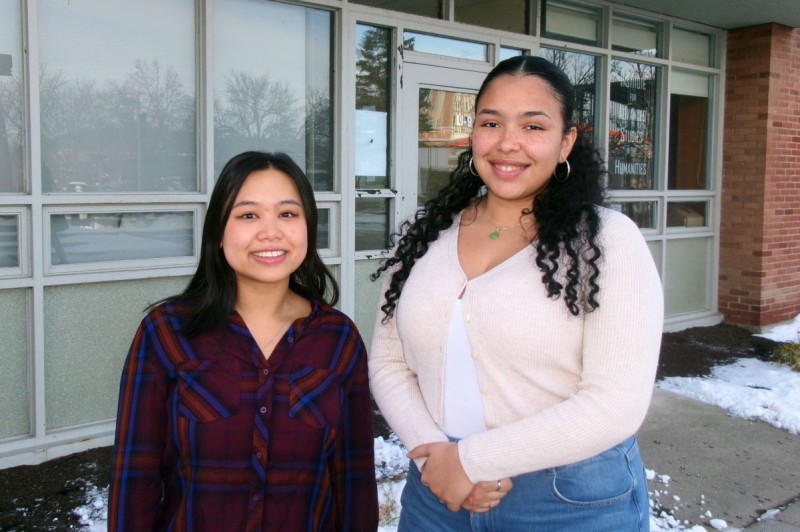
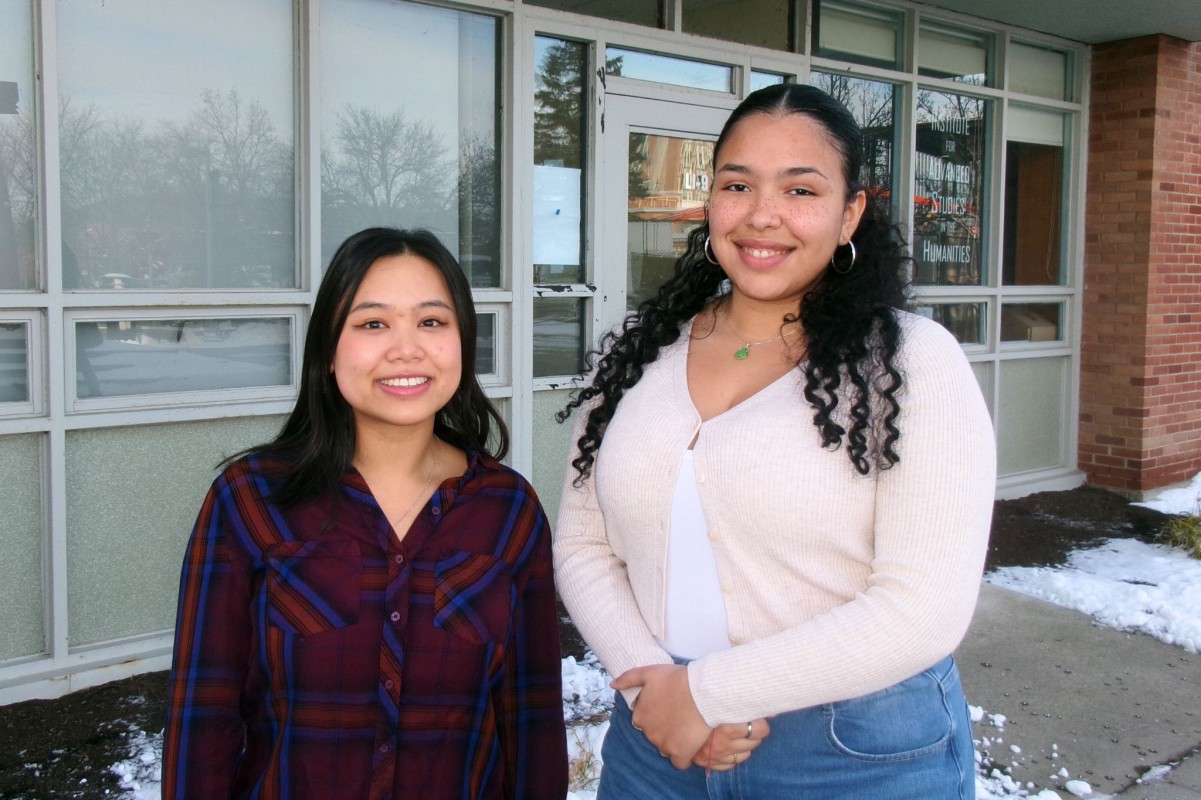
Two Binghamton University students have been selected as part of the 2025 University Innovation Fellows (UIF) by the University of Twente in the Netherlands. This program has trained more than 3,400 student leaders from around the world through providing resources and opportunities to inspire change within their schools.
Jada Mayi, a senior studying Global Public Health, and Amy Wang, a senior studying Business Administration and Politics, Philosophy, and Law, were selected from Binghamton University. The two worked together, bringing knowledge from their respective areas of expertise, to showcase the interconnectedness of innovation and entrepreneurship.
“My supervisor, Epiphany Munoz, approached me with this opportunity one random day last Spring semester,” said Mayi. “I had no idea what University Innovation Fellows was at the time, but once I heard that I would have the opportunity to enact inclusive and meaningful change across Binghamton’s campus, I jumped at the opportunity.”
Epiphany Muñoz ’17, along with Emily Marino ’04 and Emma Smith from the Office of Entrepreneurship and Innovation Partnerships, were the selected mentors for Amy and Jada in the application process. The UIF also required a substantial application fee, which was supported this year by the Binghamton University Foundation for Amy and Jada.
This program brought the two of them together, despite being rooted in different areas of study. Mayi and Wang were able to create a project to demonstrate how entrepreneurship and innovation could unite students across majors and schools. In the process, they engaged in conversations with deans from multiple colleges, gaining insight into how entrepreneurship is fostered within each program.
“We realized entrepreneurship is more about the development of an individual attitude and not only about starting a business,” said Wang. “It’s a mindset that focuses on finding opportunity, being resilient, and taking initiative.”
The University Innovation Fellows (UIF) program, founded in 2012 with support from a National Science Foundation grant, has grown since then into an international initiative. Previously based at Stanford’s d.school: Hasso Plattner Institute of Design, it is now housed at the University of Twente in the Netherlands.
UIF’s mission is to equip selected fellows with resources to help students develop pivotal skills that help in shaping the future. This year, 77 higher education students from nine different countries were named University Innovation Fellows. Students, whether individually or in teams, are nominated annually by faculty and administrators and are selected through a competitive application process.
“These changemakers aren’t just dreaming about the future — they’re building it,” said Leticia Britos Cavagnaro, co-founder of the University Innovation Fellows program, from the d.school at Stanford. “While lifting up their campus communities, they’re mastering design and leadership skills that will serve them for years to come.”
Over six weeks, fellows are trained to identify and understand the needs of their peers and consider the perspectives of faculty and administrators. Working to examine their campus environment and find opportunities within the university for innovation, entrepreneurship, design thinking and creativity. Then, they use their data to create new educational opportunities.
After finishing their training, fellows carry out their projects and continue to serve as leaders on their campuses and beyond. Next, Mayi and Wang will go to the Netherlands to meet other UIF teams.
“Throughout this experience, I learned that if you truly commit and pursue your passions, you will find the right people who will support you,” said Wang. “When I started as a freshman, the campus entrepreneurship space felt like a barren land, but as I put more initiative and commitment into it, I not only found a community, but played a part in growing it and connecting more people.”