Pharmacy alumni training the next generation of pharmacists
Two alumni from the School of Pharmacy and Pharmaceutical Sciences talk about their roles as preceptors for pharmacy students
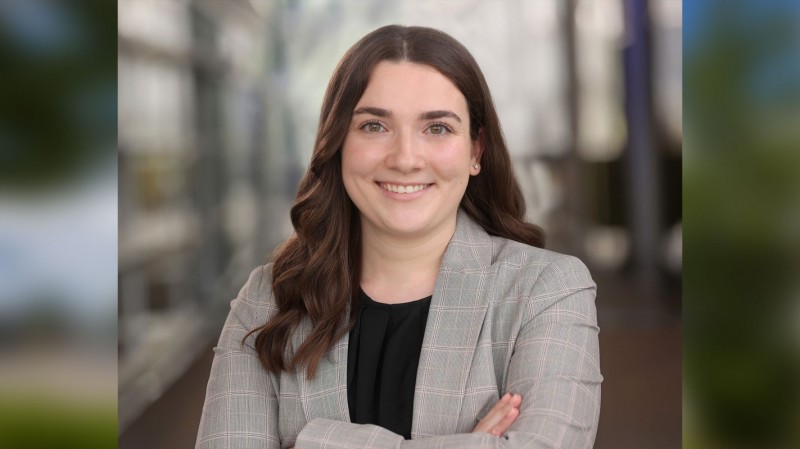
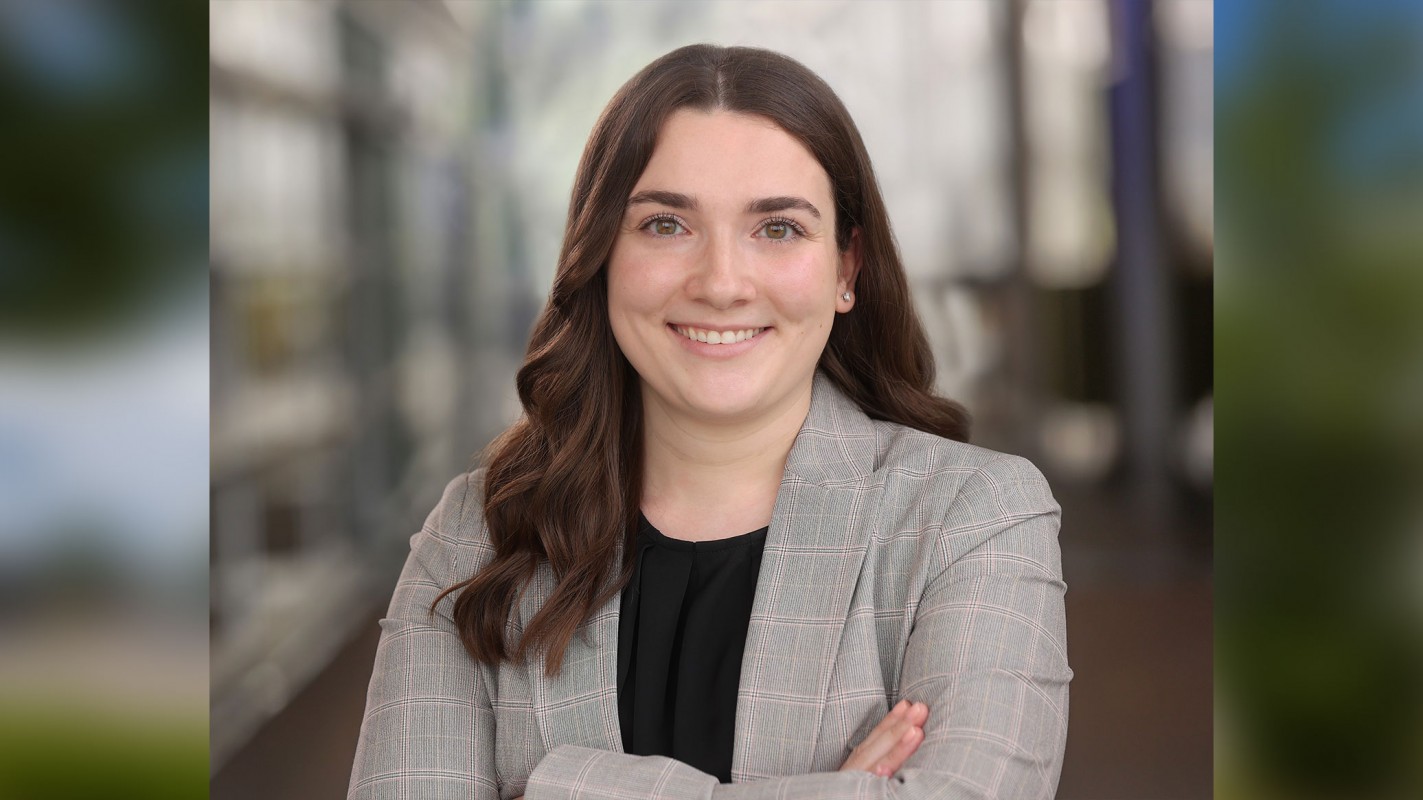
Pharmacists can take on different roles, depending on where they work and their specialty. One of those roles is acting as a preceptor — an experienced practitioner who provides tailored, one-on-one supervision, training and mentorship to students or new employees. They help bridge the gap between academic theory and practical, real-world application.
Julia Napoli, PharmD ’22, was part of the second graduating class from the Binghamton University School of Pharmacy and Pharmaceutical Sciences. When she was at SOPPS, the program didn’t have established industry rotations for students to train with preceptors. She wanted to work in a position where she could become a Binghamton preceptor and give students that opportunity.
“Industry is such a cool place within pharma and pharmacy, but students entering pharmacy school may not even know it exists,” Napoli said. “That’s especially true for students who go to school in upstate New York, where there isn’t much industry presence. So as I prepare for students, I think a lot about what I would have benefited from the most when I was in their shoes. That’s been my driving force through this whole process.”
Napoli, a medical information manager at LEO Pharma, has not been a preceptor for Binghamton students before, but has the opportunity to train her first students during the 2026 spring semester.
“I’m excited for all of it, but especially for getting students who are passionate about the industry,” Napoli said. “I’m excited to help them pursue fellowships and go down that path, and to be a mentor for them. Of course, I’m excited about the six weeks that they’ll be on rotation with me. But honestly, I’m even more excited about the opportunity to be a lifelong mentor for students who care about the same things I care about.”
Napoli added that being able to support students beyond rotations is something she’s looking forward to: “That long-term connection is what makes this meaningful to me.”
Despite the pressure and nerves that may come with these sorts of responsibilities, Napoli is beyond excited for the opportunity.
“What I want students to walk away with is an expanded network,” she said. “I want them to meet people across the company and from different functional areas, not just medical information. Even though that’s the focus of the rotation, I want them to explore and figure out what else they might be interested in. If there’s another area they’re curious about, I want to help connect them with people who work in that space. Networking is the biggest part of the industry, and my own network is the reason I got my fellowship and my job afterward. I want students to start building that foundation while they’re at LEO.”
More than a rotation
While Napoli is just getting started, other SOPPS alumni are fortunate to already have the experience of being a preceptor. Danny Gao, PharmD ’21, has taken a few students under his wing since joining the industry.
“Honestly, being a preceptor has been pretty cool,” Gao said. “I mostly precept students from Binghamton, so it’s nice talking with them and seeing how much the program has changed since I was there.”
Gao is a compounding pharmacist at The Chemist Shop, in Long Island City. Compounding is a very niche area of pharmacy, but it’s something Gao is very passionate about.
“I enjoy introducing students to compounding,” Gao said. “Being able to talk about it and pass that knowledge on to future pharmacists has been a great experience for me.”
Gao says one thing that surprised him the most was how receptive students were to what he does.
“I didn’t expect students coming to my site to be very interested in compounding at all. But a lot of them ended up liking it, which was surprising, in a good way,” he said. “Seeing that interest grow made the extra work of precepting feel very worth it.”
Being a preceptor isn’t for everyone. It can take a lot of patience and time to share your knowledge with someone else and hope that what you’re saying sticks.
“If I had to give advice to someone thinking about becoming a preceptor, I’d say, ’Just go ahead and do it if you enjoy teaching and passing on knowledge,’” Gao said. “When I first got the offer, I was a little hesitant, and not very confident in my ability to teach students. I thought it was going to be much harder than it actually was. Once I took that leap, I realized it was a lot more manageable than I expected. It ended up being an eye-opening and rewarding experience for me.”
With all of the different roles and opportunities available to pharmacists, Gao says the biggest thing he wants students to take away from his site is that they’re not limited to retail pharmacy or residency after they graduate.
“There are so many other opportunities out there, and compounding is just one niche that I happened to find and enjoy,” Gao said. “I want students to realize they have to go out and find what fits them.”