Making Pagans: How theater shaped the public perception of non-Abrahamic religions
John Kuhn’s first book recently received the prestigious Barnard Hewitt Award for best book in theater studies
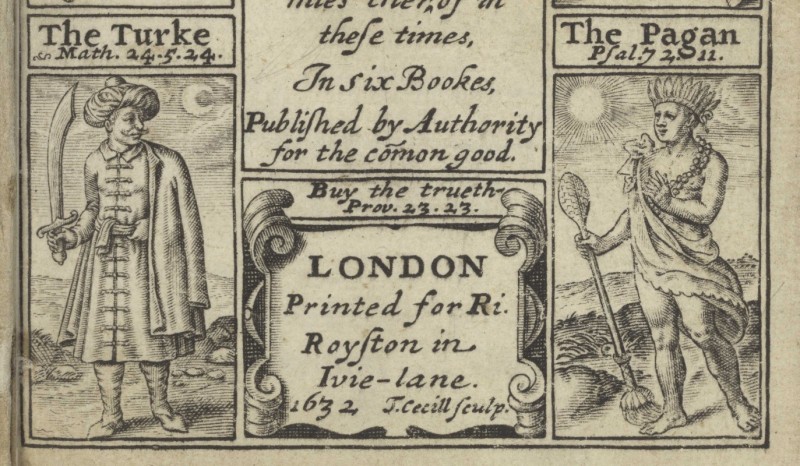
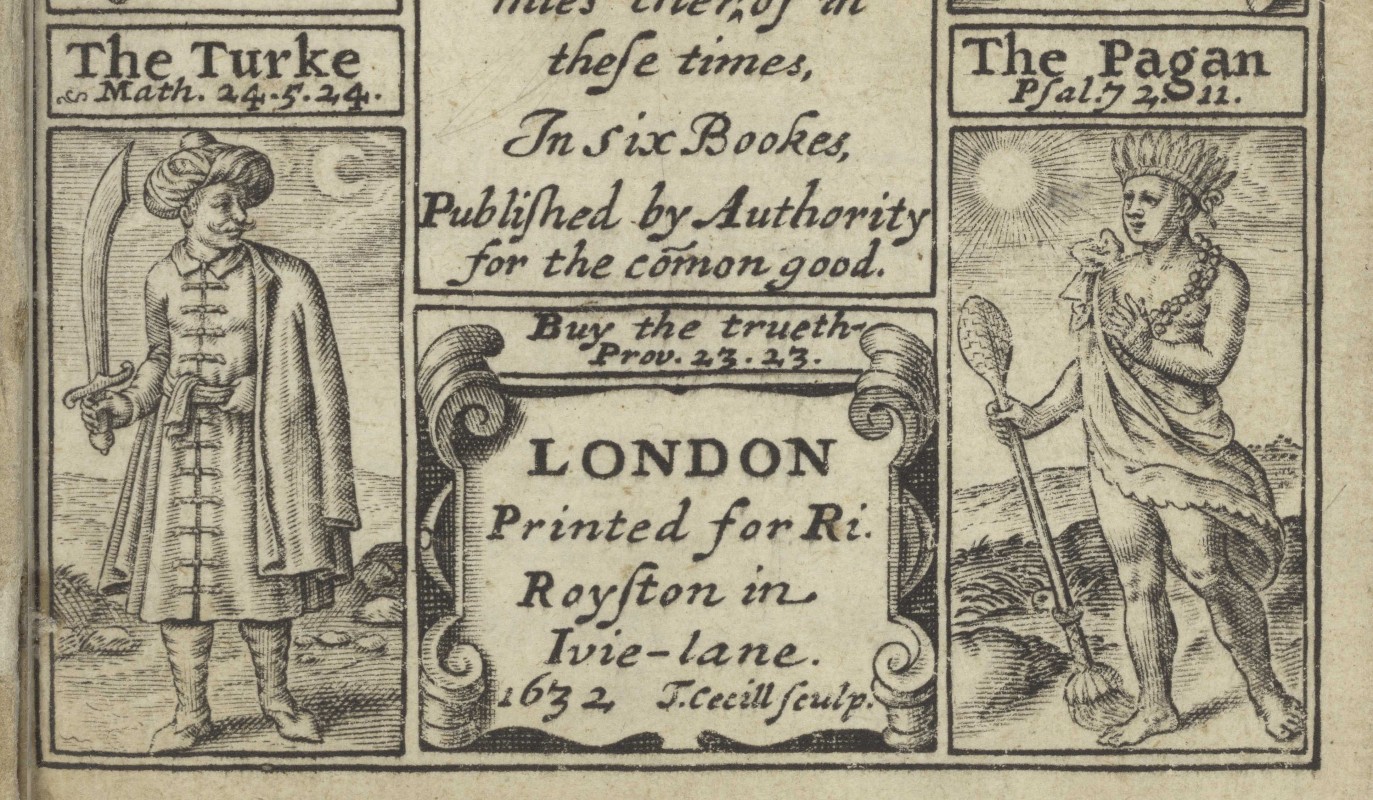
Audiences in 17th-century England looked forward to the altar scene: pagan priests and priestesses chanted, uttered prophecies or presided over sacrifices.
Exotic and eye-catching, pagan rituals were a staple of early modern theater, incorporating special effects, set pieces, and strange music. In Making Pagans: Theatrical Practice and Comparative Religion in Early Modern England, Binghamton University Associate Professor of English John Kuhn explores how theater shaped public perceptions of non-Abrahamic religions, and how those perceptions changed over time.
The 2024 book recently received the American Society for Theater Research’s prestigious Barnard Hewitt Award, which recognizes the best book in theater studies. It also won the Medieval and Renaissance Drama Society’s Claire Sponsler Award for best first book in early modern drama studies, and was recently shortlisted for the Renaissance Society of America's Phyllis Goodhart Prize for the best book in Renaissance studies.
Theatre was a popular form of entertainment in the 17th century, whose notables included such playwrights as William Shakespeare and Ben Jonson. “Pagan” rituals were a common feature, with trick altars, moving statues and even triumphal parades with golden chariots and chained prisoners.
Wherever the play was set, “pagan” ritual scenes featured the same elements — partly for financial reasons. Kuhn offered an example: For one of his works, Jonson extensively researched ancient Rome, reading ancient Latin texts and even visiting dug-up Roman altars. That led to strict specifications on altar design, costuming and music.
When the play is done, what happens to the expensive props? They’re reused in other plays. In the early 1600s, the King’s Men — the acting company which employed Shakespeare — performed back-to-back plays set in pre-Roman Britain, Rome and ancient Greece, using the same altar. They even dusted it off for a play set in newly colonized Virginia that featured Native Americans.
Audience expectations also played a role, prompting other companies to adopt the same set and prop designs.
“You get this weird recycling, over and over again, that is driven by the constraints of the theater,” Kuhn explained. “Then, in the process, you get these generalized, non-specific pagan religious practices that theatergoers are seeing in different ethnographic settings that aren’t accurate at all.”
Audience members likely wouldn’t have picked up on the inaccuracies; many spent their entire lives in England and wouldn’t have first-hand exposure to authentic non-Abrahamic religions. Theatrical productions, therefore, played a role in developing the popular perception of paganism as a singular phenomenon, regardless of culture.
“There was a widely circulated idea in England and across Europe that there were four religions: Christianity, Judaism, Islam, and paganism,” Kuhn said. “The theatre helped develop that idea, suggesting that ‘paganism’ has a kind of coherence when in reality it doesn’t; it’s everything in space and time that’s not Christianity, Judaism or Islam.”
Kuhn’s book tracks public theaters from their emergence in the 1570s to the end of the 1600s. Jamestown, England’s first successful colony in the New World, was established in 1606, setting off a wave of migration, colonization, and dreams of converting Indigenous peoples to Christianity.
Across the course of the century, these “pagan spectacles” become darker, including suicides and suggestions that pagan characters are headed for an eternity in hell. Triumphal parades were increasingly depicted as barbaric and the prophecies that emerge from altar scenes shown to be false.
Pagans, in short, were no longer denizens of ancient Rome but real, flesh-and-blood contemporaries who were often in conflict with British colonization.
“By the end of the 17th century, you have King Philip’s War in New England; it’s no longer a case of ‘the sweet, innocent Indians are going to convert,’” Kuhn reflected. “A lot of people in England heard about massacres and, gradually, the cultural feeling becomes more antagonistic toward Native groups. Theater reflects that.”