Bridging the gap: How the PANDA Project is reimagining community for autistic adults
Interdisciplinary initiative transforms university research into real-world social connections and sustainable community support
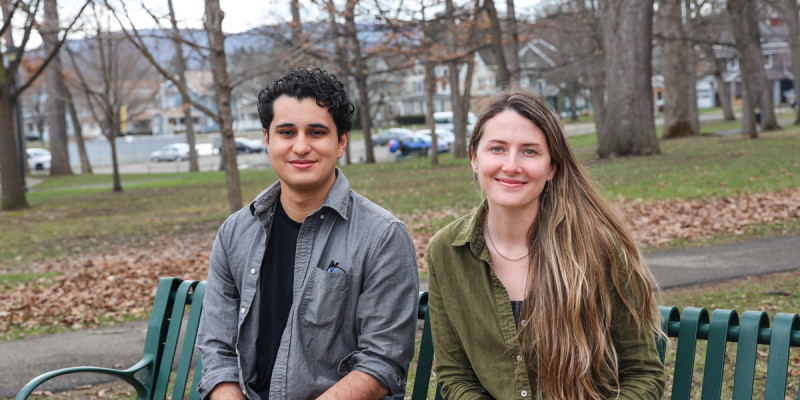
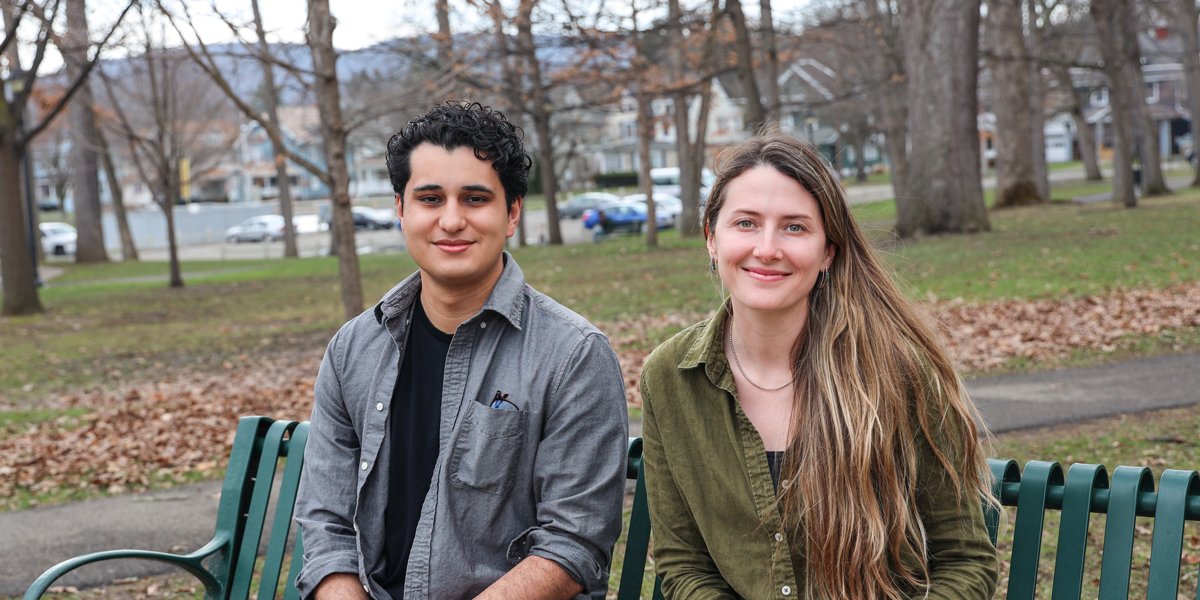
Community means something different for everyone, but autistic young adults often struggle to find a sense of connection. To bridge this gap, Jennifer Gillis Mattson, professor of psychology, created the PANDA (Partnership with Autistic and Neurodivergent Adults) Project in an effort to build meaningful relationships and create environments where they can thrive.
Gillis Mattson specializes in autism and has spent years finding ways to help people overcome social barriers in practical ways. Families and adults shared with her how often support disappears right when someone needs it most, and how quickly that can turn into isolation when people do not have reliable places to socialize, build confidence, and develop independence. In 2022, with funding from a University donor who recognized this need, she integrated student and community voices into her work and, leveraging the University’s reach, conducted a community needs assessment focused on young autistic adults in the Binghamton area.
Gillis Mattson collaborated with Jackie McGinley, associate professor of social work; Lori Martin, a retired special educator from BOCES; and undergraduate students. Autistic students from Binghamton University also participated, helping to shape the assessment questions. These collaborations and the following initiatives formally became known as the PANDA Project.
The team offered various ways for people to share input, including a survey and one-on-one interviews. These interviews highlighted the need for accessible jobs and volunteer opportunities, welcoming social networks, support with health issues that emerge in adulthood, inadequate mental health services, and a recurring theme of loneliness.
Many participants noted a lack of environments where autistic adults felt comfortable showing up, connecting with others, and knowing they belonged. The assessment made clear that creating opportunities for social participation was not just about offering activities, but about opening doors wider so people could confidently step into community spaces.
"It’s hard to be part of a community when the doors do not feel fully open," said Diego Aragon-Guevara, a psychology doctoral student and PANDA Program facilitator.
Expanding PANDA
The PANDA team decided to address multiple needs at once, focusing on social belonging, connection, and individual wellness. They developed the Wellness Initiative Summer Experience (WISE), which began in 2023 and prioritized community integration from the beginning. Participants volunteered at VINES Community Garden and then stayed for low-pressure wellness activities like yoga, mindfulness, art, and time for social connection. The activities provided rhythm and structure and felt manageable for participants. Individuals who had not left their homes since the onset of COVID took a crucial first step back into a communal setting.
As the WISE program continued, the team incorporated social work interns and speech interns, led by Kara Nunn, clinical assistant professor in Decker College of Nursing and Health Science’s Division of Speech and Language Pathology, adding layers of care while giving future professionals hands-on experience working with autistic adults in a collaborative environment.
PANDA also adapted PEERS, an evidence-based social skills and social connection program developed at UCLA, for use with local individuals. An interprofessional team of doctoral psychology students, master of social work interns, and undergraduate psychology students, led by Gillis Mattson, adjusted the structure to fit the adults they served, many of whom lived independently and did not have the parental involvement typical of PEERS models. Participants met twice a week. One session focused on building strengths, learning skills, navigating misunderstandings, and managing stress, anxiety, and emotional regulation. The second session moved into a community activity where participants practiced those skills in real time and then processed what happened together.
“The entire program follows an iterative, participatory process,” GIllis Mattson said, “meaning we get feedback from participants about what they need and what needs to change. We ask them directly, and then we adapt.”
Students involved in WISE PANDA and PANDA PEERS took ownership of their work, helping to transform the University’s resources into meaningful action through a structured process of listening to community needs, developing evidence-based programming, building partnerships with local organizations, and packaging the work to continue beyond campus.
Moving toward sustainability
As PANDA matured, the team began transitioning parts of the work to local partners so the model could live in the community long-term. Helping to Celebrate Abilities (HCA), a nonprofit based in Johnson City, has adopted the PANDA PEERS program with a commitment to include University interns. This transition allows the work to continue in the community, helping ensure the programming remains accessible to the people it was designed to support.
The program’s success also raised the question that the team heard repeatedly from participants and families.
“In our groups, people often want to return,” Gillis Mattson said. “They ask: ‘What’s next?’”
This question is shaping the PANDA team’s continued work with community partners, including a developing connection with the Roberson Museum and Science Center, where the team is planning an updated, targeted needs assessment focused on what autistic adults want from community spaces — from the experience of being in the museum to the kinds of leisure or learning programs that make participation feel natural and sustainable.