Binghamton student leaders tackle difficult conversations with new civil dialogue workshop
Student Association partners with the Multicultural Resource Center and the Center for Civic Engagement to create the Leading Constructive Conversations workshop
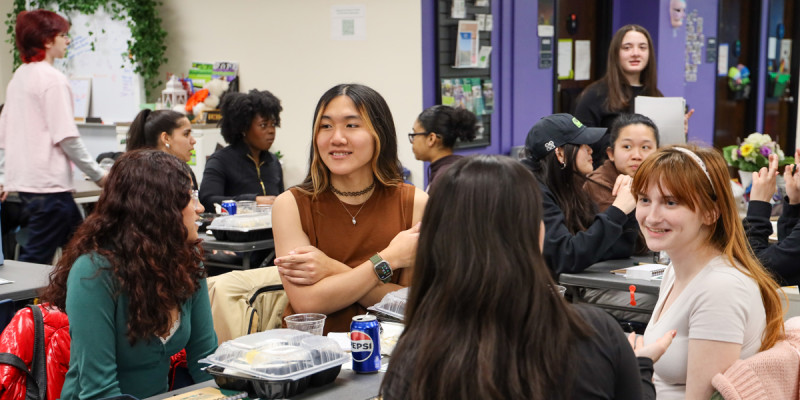
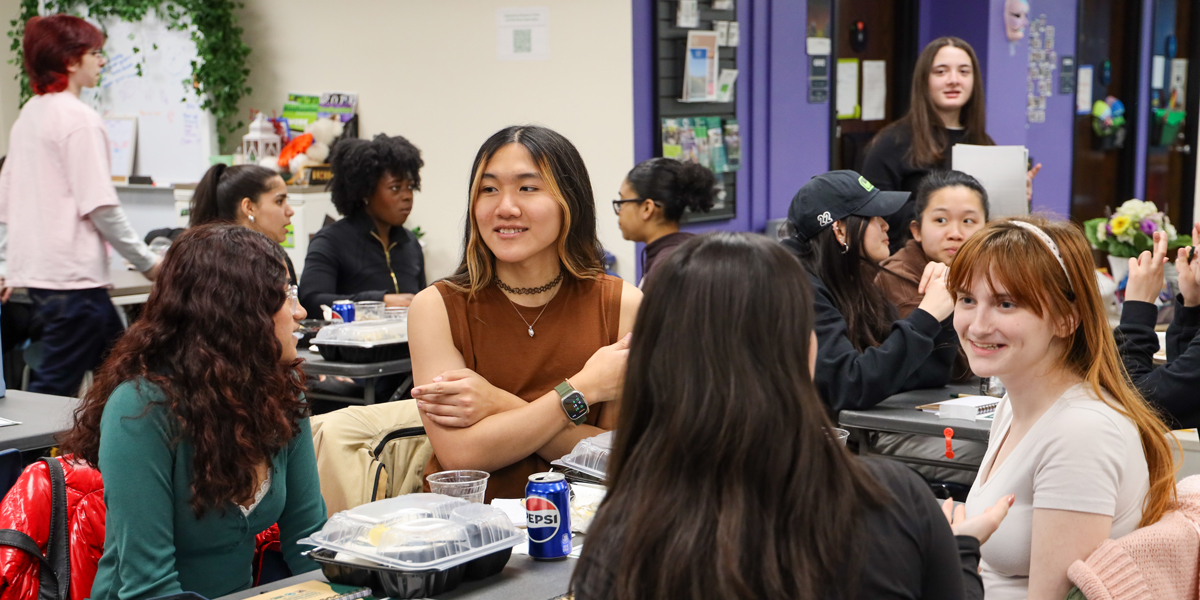
In January, Binghamton University was awarded a SUNY “Building Bridges” Civic Engagement Student Leadership Grant, an initiative that supports student-led efforts to strengthen connections and work together across differences. Through this funding, the Student Association partnered with the Multicultural Resource Center and the Center for Civic Engagement (CCE) to create the Leading Constructive Conversations workshop, a three-hour interactive session designed to help student leaders build skills to engage in more thoughtful deliberation with their peers.
The March 24 workshop brought together more than 30 students from campus organizations to tackle a shared challenge: how to proactively and respectfully navigate disagreement without shutting down difficult conversations. Facilitated by the CCE’s Civil Dialogue Project, the session encouraged students to reflect on their own values, practice mindful listening, and reconsider what it means to engage across differences. Participants engaged in activities that asked them to reflect on their own assumptions, consider how their values shape their reactions, and practice responding in ways that keep conversations open rather than closing them off. Throughout the session, the focus remained on building habits that could extend beyond the workshop itself.
One of the biggest priorities for organizers was to make sure the space felt welcoming and accessible from the very start. Jestina Tam, a senior majoring in biology and vice president of multicultural affairs in the Student Association, said that even deciding what to call the event required careful thought.
“Civil dialogue does not have to be a buzzword for political events,” she said. “You can really use it anywhere. It’s about being curious about people, without tying it to one specific idea.”
Tam explained that terms like “civil dialogue” can often feel intimidating or limited to political discussion, discouraging students from participating. By focusing on everyday interactions and student organizations, the workshop made it easier for students to jump in, share their perspectives, and try out new approaches. Throughout the session, they actively learned from one another. The room buzzed with energy, and it was clear that participants were reflecting on what it means to connect across differences.
Kristina Donders, a senior double majoring in data science and statistics and political science, and vice president of student success in the Student Association, emphasized that these skills are especially relevant for students in leadership roles, where navigating group dynamics is part of their everyday responsibility.
“The event is really about helping students build the skills to have respectful, constructive conversations,” Donders said. “As student leaders, it’s easy to get caught up in where you want the conversation to go. But learning to take a step back and listen to all the voices in the room — that’s how leadership becomes meaningful.”
Donders added that one of the most exciting parts of organizing the workshop was how interactive and practical it was, giving students not just a chance to learn about civil dialogue skills, but to practice them in real situations so they could carry those skills into any part of their lives.
By the end of the session, students walked away not with a fixed script for disagreements or difficult conversations, but with a set of versatile skills they can use anywhere. They practiced listening, staying curious, and keeping conversations open while noticing how their own assumptions shape the way they responded. It was not about being perfect in every conversation, but about trying, learning, and stepping into the uncomfortable moments.
“Leadership is not just about guiding a group,” said Saida Burns-Moore, a civic engagement coordinator in the CCE. “It’s about connecting, reflecting, and figuring things out together, one conversation at a time.”