Digital wizard: Alumnus has created visual effects for dozens of films, TV shows
For more than 30 years, Rocco Passionino ’91 has blended the real and the unreal into seamless storytelling
When you sit down to watch the latest films and television shows, you may not stop to think how essential visual effects are to what you see onscreen.
Sure, it’s obvious that the popular new science fiction or fantasy tales require thousands of hours from artists to bring those worlds to life — but nearly every production these days requires some kind of digital magic, from romantic comedies and historical epics to documentaries and reality TV.
For more than 30 years, Rocco Passionino ’91 has been one of the behind-the-scenes wizards blending the real and the unreal into seamless storytelling.
As a digital artist and visual effects supervisor, he’s worked on films such as The Fifth Element, Titanic, The Day After Tomorrow, The Twilight Saga: Breaking Dawn – Part 2, and Avengers: Age of Ultron. His television credits include Buffy the Vampire Slayer, Angel, Dollhouse, Castle, The Good Place, Future Man, The Boys, For All Mankind, and Poker Face. In 2003, he and his team won an Emmy Award for their work on the cult sci-fi show Firefly.
“It’s pretty amazing to see my IMDb page,” he says. “I look at it every once in a while and think, ‘Wow, I can’t believe I worked on so many different shows!’ When I crossed the 100-project mark, I thought, ‘That’s insane!’”
Merging programming with visuals
Growing up in Vestal, New York, Passionino became interested in programming during high school, and his parents bought him a Commodore 64 personal computer. He later upgraded to an IBM — “I was very proud of that for the longest time,” he admits.
He recalls going to the theater to see 1985’s Young Sherlock Holmes, the first full-length film to feature a completely computer-generated character. He sat in amazement as a menacing knight made of stained glass jumped out of a church window and chased a priest into the streets.
The scene planted a seed that would later germinate into a career: “I realized I could take computer programming and do amazing visuals on the big screen.”
Passionino earned an associate degree at SUNY Broome Community College, then transferred into Binghamton University as a computer science major. He loved the two digital graphics courses at Watson, so a professor suggested he attend SIGGRAPH, a conference of industry professionals and academics organized by the Association for Computing Machinery (ACM).
He was hooked.
After graduation, Passionino got a job at Lockheed Martin’s graphics lab programming simulations, but a friend at director James Cameron’s company, Digital Domain, offered the chance to move to Los Angeles and work for the fledgling firm. Jump-started by 1993’s Jurassic Park and a dozen other big-budget films, digital effects had become Hollywood’s hot new industry.
Passionino’s first mandate was to do simulation programming for a water sequence in a Godzilla movie — except that didn’t work out quite as planned.
“When I was hired, little did I know how Hollywood actually works. Just because something is greenlit doesn’t mean it’s going to get made,” he says. “I came out to California, we started doing simulations on it, and two or three weeks after I was there, they shut down the movie. I thought, ‘What’s going to happen to my career?’”
To space and beyond
For a while, Passionino did “grunt work,” backing up important files and building Digital Domain’s software infrastructure. He also learned how to use one of the animation packages that leaned heavier into the coding aspect than the artistic side of animation. To show off his skills, he created a short clip featuring one of the Budweiser frogs with a tongue stuck to the Apollo 13 rocket launch, which landed him a role as a technical assistant on the 1995 Ron Howard film.
From there, he worked as a digital artist on several key sequences for 1997’s The Fifth Element, including scenes where the hero (played by Bruce Willis) navigated through a futuristic city jammed with flying cars and other vehicles. For Titanic that same year, he populated the deck of the ship with digital doubles of background actors and digital stunt characters, making sure computer-generated images integrated smoothly with the practical actor footage. And in 1998, he was an effects animator for director Roland Emmerich’s Godzilla — five years after the previous project had been canceled.
In 1999, Passionino started to supervise digital effects on films such as Swordfish, Spy Kids, Little Nicky, and Rollerball. Then a colleague suggested he could bring his cinematic skills to elevate television production, and he signed on to 2002’s Firefly — a Western-style space opera about a quirky band of interplanetary mercenaries. The two-hour pilot episode won him an Emmy for Outstanding Special Visual Effects for a Series.
“We were the upstarts who were trying to make everything look so beautiful and photorealistic,” he says. “It was so nice when we went to the ceremony and won — we were totally blown away by it.”
The FOX network canceled Firefly after just 14 episodes, but it led to work on other shows from creator Joss Whedon, including Buffy the Vampire Slayer, Angel, and Dollhouse, as well as dozens of other TV projects. Despite its short run, Firefly continues to have a strong following nearly 25 years later: “It’s amazing how much it resonated with viewers, and how it created a fan base above and beyond what everyone expected.”
‘A nice puzzle to solve’
Passionino has worked at his current company, Zoic Studios, since 2002 — a longevity that’s rare in the entertainment business. As a visual effects supervisor, he oversees digital artists who create a scene from ideas and scripts to storyboards, and from previsualization to full renderings.
“Sometimes the writers will say, ‘We’re just expecting you to make something cool!’” he says with a laugh. “When I look back on a lot of those scripts from Angel and Firefly, it was like, ‘OK, these people fighty-fight and then visual effects does a really cool thing,’ and that’s literally what the script says. You’re thinking, ‘What am I supposed to do with that?’ It’s a nice puzzle to solve, because you can actually feel like you’re being creative. You’re helping them along with the process, versus just executing whatever their visuals are.”
A VFX supervisor also bridges the gap between the artists and the production side: “A lot of the job is protecting the artists, because producers and directors tend to be a little more critical of the work and a little more harsh presenting notes on things. You need to make sure that everybody’s happy. Is the director happy? Are the artists happy? Is everybody doing what they’re supposed to be doing?”
In recent years, Passionino and his team have tackled everything from over-the-top surreal comedy on The Good Place to Mars-based action sequences on For All Mankind to the huge digital crowd scenes in Daisy Jones & The Six, but sometimes the more mundane details need a little digital help. For instance, a scene is supposed to take place on a sunny day but clouds covered the sky during filming, or a background detail that’s too modern needs to be erased from a historical drama.
“We’re working on several shows right now that had no visual effects planned whatsoever, and they ended up needing multimillion-dollar visual effects as a result of problems they just didn’t anticipate when they were shooting,” he says. “They didn’t even know that something would be an issue, and all of a sudden, it becomes an issue.”
Keeping up with multiple projects isn’t always easy, but one important lesson from his Watson years drives Passionino forward: “The ability to hunker down and complete tasks is one of the major things that I learned at Binghamton. I’ve discovered that not everyone has that same work ethic. I’m very grateful that the University gave me that skill set to keep up with this fast-paced industry.”
Coming soon
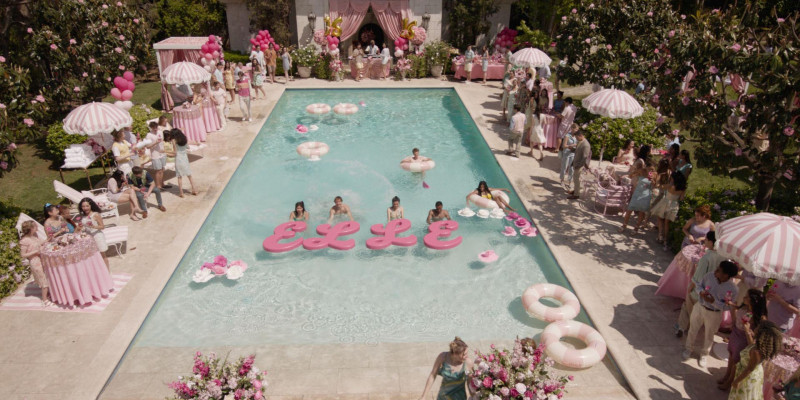
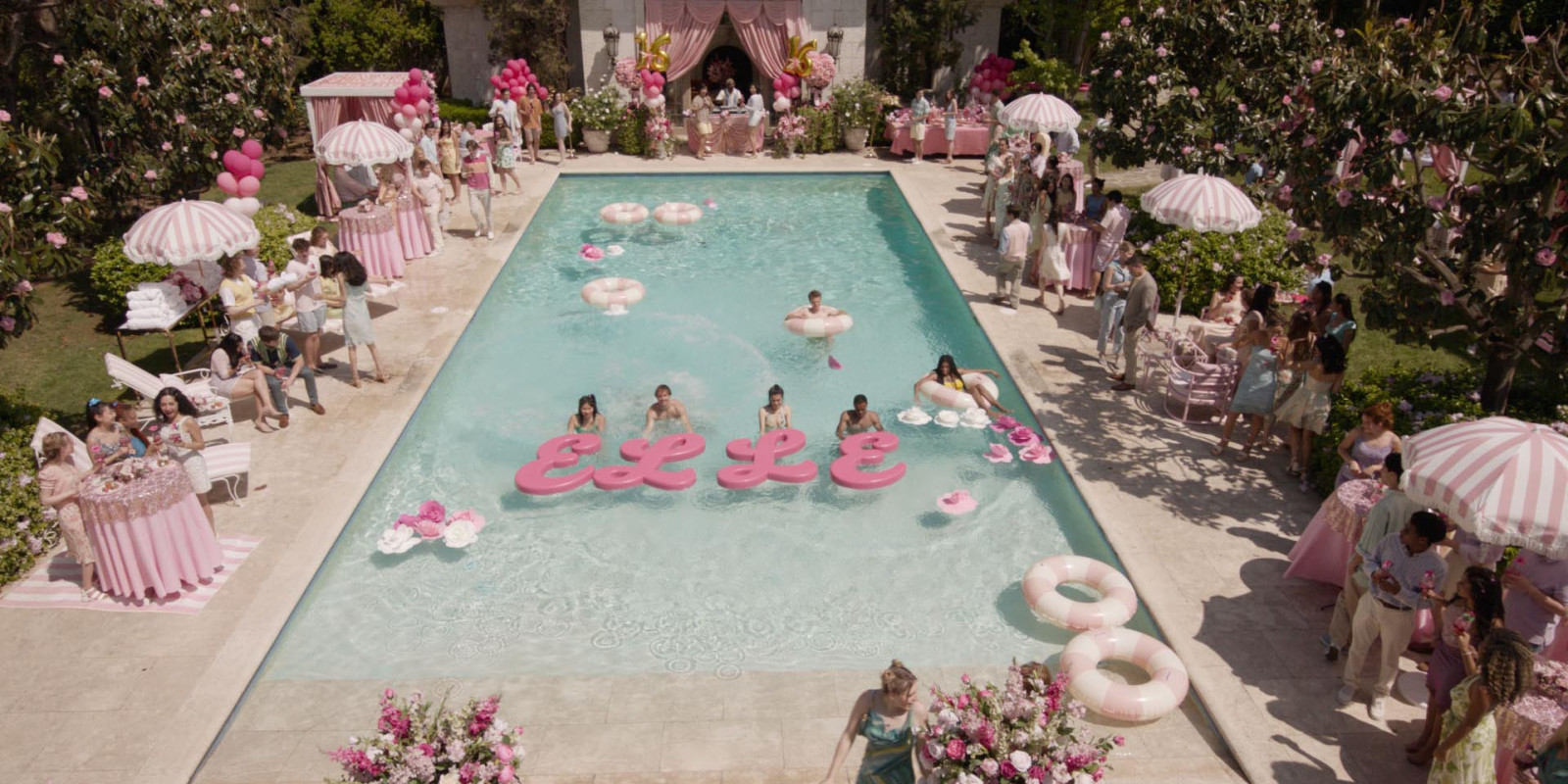
Keep an eye out for Passionino’s work on a new thriller series for Apple TV called Lucky; the Legally Blonde prequel series Elle on Prime Video; Netflix’s reboot of Little House on the Prairie; Apple TV’s new mystery series Widow’s Bay; the documentary #SKYKING (which premiered at SXSW this spring); and the feature film Backrooms, which expands on the YouTube series of the same name.
He also supervised visual effects on the pilot episode for the Buffy the Vampire Slayer sequel New Sunnydale — 25 years after working on the original. Sadly, Hulu decided not to pick up the series.