Binghamton researchers explore resilience in adults with Sickle Cell Disease
Better outcomes require interventions that address community and structural barriers
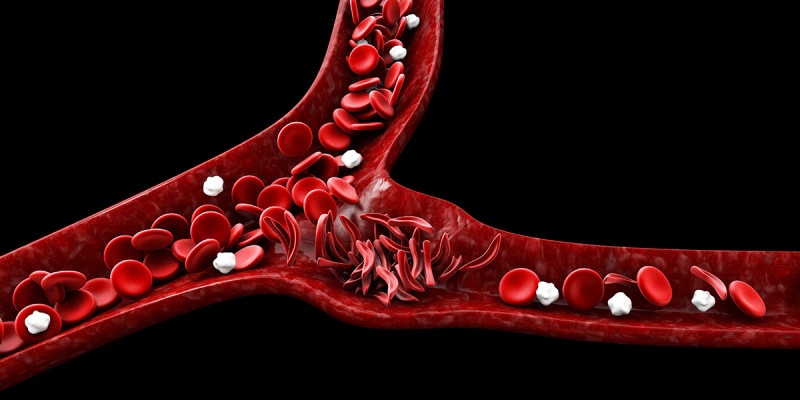
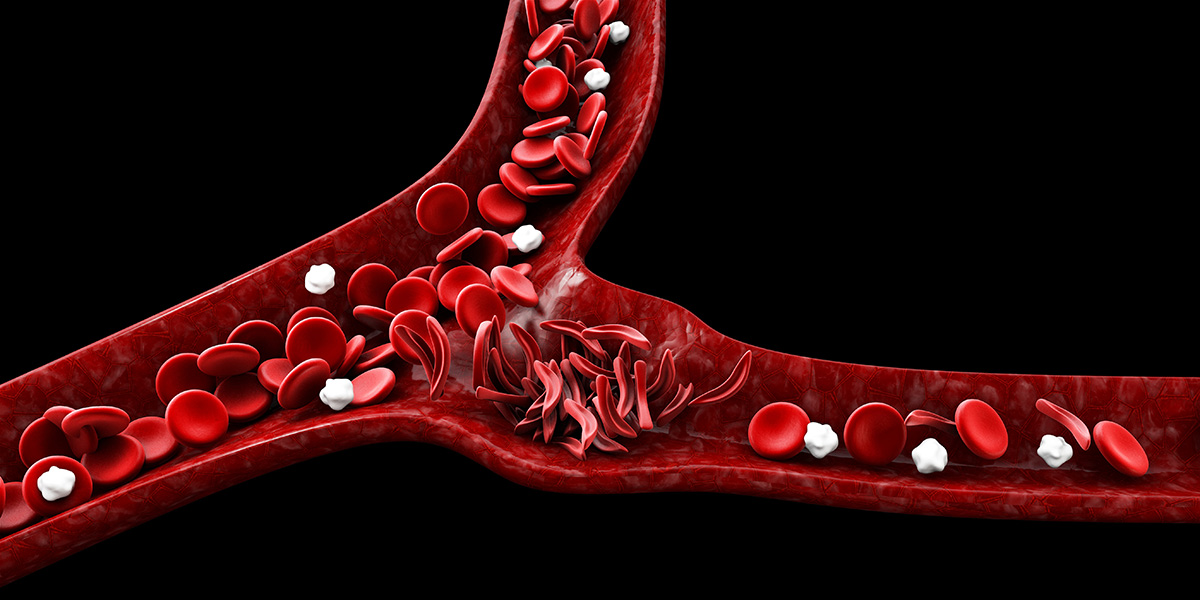
A study published in the Journal of Sickle Cell Disease by researchers at Binghamton University’s Decker College of Nursing and Health Sciences explored how individual and community health experiences of adults with Sickle Cell Disease (SCD) shape resilience — the capacity to adapt to adversity.
SCD affects more than 100,000 Americans, predominantly Black or African American individuals, who account for nearly 90% of cases nationwide. This inherited blood disorder is characterized by abnormal hemoglobin that causes red blood cells to deform into a sickle or crescent shape. These rigid, inflamed, and sticky cells can block small blood vessels, triggering severe pain and progressive organ damage.
Binghamton’s research found that resilience among individuals with SCD is influenced by both personal factors (such as positive attitudes, effective communication with providers, and faith-based support) and community resources. Conversely, stress, lower income, and limited access to specialized, effective care reduce resilience.
“I looked for correlations between variables at the individual level — things inherent to the person — and environmental factors — things outside of them,” said Danielle Ongondo, PhD, RN, a postdoctoral fellow and lead author of Beyond the blood disorder: unlocking the individual and community factors that build resilience in adults with sickle cell. “I wanted to go beyond what someone’s lab results say, to explore how their actual lived experience impacts their health outcomes.”
While medical advances have significantly improved survival rates for children with SCD, many adults continue to face high rates of illness and premature mortality. The average lifespan for a publicly insured adult with SCD in the U.S. is just 52.6 years — more than two decades shorter than that of the general population.
Helping people build resilience
A community health nurse with more than 15 years of experience, Ongondo began focusing on SCD during her PhD program at Binghamton. She chose the topic because it’s personal: her son was diagnosed with SCD through a newborn blood screening.
For the study, Ongondo and Decker Associate Dean Sharon Bryant, Bartle Professor A. Serdar Atav, and Assistant Professor Rosemary Collier used a National Institutes of Health dataset that includes demographic information and psychosocial measures, such as the Brief Resilience Scale, a validated measure of resilience.
They found that a person’s ability to build resilience is influenced by several personal, emotional, and social factors:
- A nonthreatening perception of the disease, baseline physical health, and maintaining a sense of identity separate from the disease all support resilience. Conversely, viewing the illness as highly threatening significantly weakens the ability to adapt.
- Strong social networks and connections to faith communities serve as vital protective factors by offering hope, encouragement, and practical assistance.
- Stress, particularly interrelational stress when paired with a high perceived illness threat, exacerbates physical symptoms and reduces overall resilience.
- Financial security remains a major determinant; lower income, financial insecurity, and income inequality consistently reduce resilience.
The findings highlight that improving health and quality of life for adults with SCD requires interventions that go beyond the individual, addressing community and structural barriers by ensuring access to resources and support systems at multiple levels. Disparities in care, including limited access to specialists, inadequate preventive services, and insufficient research funding, have a marked impact on outcomes.
“Resilience in chronic illness involves interdependence of individual and structural supports that empower individuals to live the life they desire,” Ongondo said.
Avenues for intervention
Adults with SCD often face significant challenges in managing their health and maintaining consistent employment or private insurance coverage because of the condition’s physical symptoms.
While public programs like Medicaid provide vital coverage, systemic inequities persist regardless of coverage status. Only 7% of Medicaid patients with SCD see a hematologist annually, compared to 43% of privately insured patients. Moreover, mortality rates among individuals with SCD remain disproportionately high even within the broader Medicaid population, demonstrating that insurance coverage alone does not guarantee access to adequate, specialized care.
“Many primary care providers lack specialized training in adult SCD management, and fewer than 100 dedicated adult sickle cell centers exist nationwide,” Ongondo said.
The study results indicate that improving health outcomes and quality of life for adults with SCD through a resilience framework requires comprehensive interventions operating across clinical, community, and policy levels:
- Healthcare providers, including nurses and social workers, can foster resilience by improving patient-provider communication and embedding dedicated psychosocial support into routine care.
- Strengthening local support networks, financial assistance programs, and faith-based community infrastructure provides essential practical resources to patients and their families.
- Policymakers and healthcare leaders must collaborate to eliminate structural disparities by funding specialized adult SCD centers, expanding workforce training for primary care providers, and expanding access to high-quality, comprehensive specialty care.
Ongondo is collaborating with Kimberly Harry, an assistant professor of systems science and industrial engineering at Binghamton’s Watson College of Engineering and Applied Science, to assess how supportive New York’s health systems are in promoting resilience and health outcomes for adults with SCD. She also supports New York Public Health Law 243, which mandates SCD screening and education, and advocates for the Sickle Cell Treatment Act (Senate Bill S1578B), which aims to formally designate specialized sickle cell centers of excellence and outpatient treatment centers statewide.
Through research, advocacy, and support, Ongondo is broadening the conversation around sickle cell disease and the need for systemic changes that prioritize resilience and comprehensive health.
“This study supports the idea that building resilience involves more than simply asking individuals to adapt to broken systems," she said. "It emphasizes creating a holistic environment that fosters the ability to bounce back physically, mentally, emotionally, and financially when facing an unpredictable chronic illness like SCD, rather than depleting their resources.”