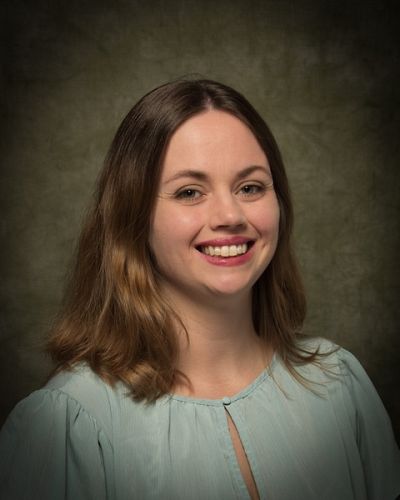
Barbara Force
Lab Manager, Pharmaceutical Sciences
Biography
Barbara Force joined the School of Pharmacy and Pharmaceutical Sciences in September 2026 as a laboratory manager. She previously worked in the Department of Psychology at Binghamton University as a laboratory manager and research technician, where she supported research investigating the genetic and biological factors underlying impulsivity and addiction using mouse models. Her work included managing a large mouse breeding colony, genotyping, behavioral experiments, and molecular techniques used to examine the biological effects of behavior. This work aligned with research in the Jentsch Laboratory examining how genetic variation influences impulsivity, reward-related behaviors, and vulnerability to addiction.
Before returning to Binghamton, Force worked with the U.S. Military HIV Research Program at Walter Reed Army Institute of Research, where she supported research focused on HIV vaccine development, including studies of HIV antigens and adjuvants and humanized mouse models used to investigate HIV infection and potential treatment and cure strategies. The Laboratory of Adjuvant and Antigen Research, led by Mangala Rao, conducts preclinical research on HIV antigens, vaccine adjuvants, and humanized mouse models of HIV infection.
Most recently, Force worked with the National Center for Advancing Translational Sciences (NCATS), where she participated in translational research and drug-screening projects involving rare diseases and cancer. Among these projects was research on Niemann-Pick disease type C, a rare inherited disorder involving abnormalities in lipid and cholesterol trafficking. NCATS has used high-throughput screening approaches to identify potential therapeutic compounds for Niemann-Pick disease and other rare disorders.
Education
- MS, Science Education, Syracuse University
- BS, Animal Science, Cornell University
Research Interests
- Laboratory management and research operations
- Autoimmune disorders
- Mental health
- Genetics
- Drug discovery and translational research