CLT Fellows are faculty partners who bring specialized teaching expertise to campus-wide teaching and learning support. Fellows may offer consultations, workshops, departmental conversations, learning communities, course mentoring, or classroom observations depending on their area of expertise.
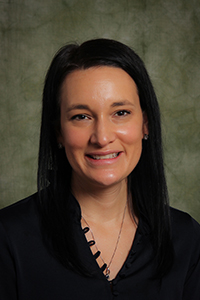 |
Dr. Christina Balderrama-Durbin, Associate Professor of Psychology, is a CLT Fellow who supports faculty interested in designing meaningful, applied learning experiences and assessments. Drawing on her teaching and research in psychological assessment, clinical intervention, trauma, intimate relationships, and the Couple Adjustment to Stress and Trauma Laboratory, she helps instructors rethink assignments, applied projects, authentic assessments, and course activities so students can demonstrate what they can do with what they know while strengthening critical thinking, problem-solving, and the integration of theory and evidence. |
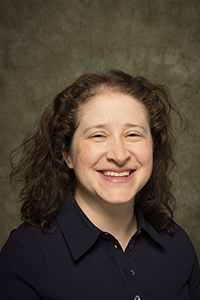 |
Dr. Rachel Fomalhaut (she/they), a CLT Fellow specializing in Universal Design for Learning and equity education, supports faculty who want to design more inclusive and engaging learning experiences. They bring 16 years of teaching experience in higher education across a wide variety of settings, including R1, community college, and small liberal arts schools, and across disciplines in the humanities, arts, social sciences, and STEM. From their earliest days as a teacher, Dr. Fomalhaut has studied the learning arts and sciences, producing several conference papers and a peer-reviewed book chapter in pedagogy. Currently a lecturer of Digital and Data Studies, their pedagogy-focused interests include critical digital pedagogy, relational pedagogy, embodied learning, teaching with tangibles, equity frameworks, and grades and assessment. Dr. Fomalhaut is available for workshops and consultations on UDL and other related course design strategies. |
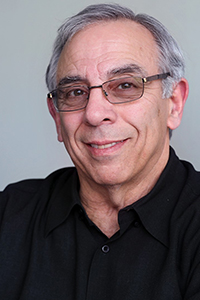 |
Steve Lisman, PhD, SUNY Distinguished Teaching Professor Emeritus, provides confidential course observations and formative feedback to help faculty strengthen their teaching. Faculty can invite Steve to observe a class and receive practical suggestions related to student engagement, lesson planning, classroom activities, syllabus development, classroom management, or other teaching concerns. This service is separate from departmental evaluation and is designed to give instructors supportive, detailed feedback they can use to refine their teaching. |
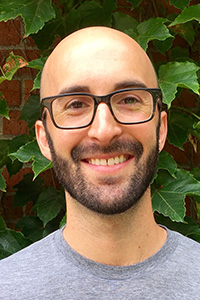 |
Dr. Charles Logan, a CLT Fellow, works with faculty who want to explore AI and educational technology in ways that are ethical, critical, and deeply human. Drawing from the learning sciences, critical educational technology scholarship, and literacies education, Charles studies how people and communities resist, refuse, reimagine, and repurpose technologies. His interests include co-designing learning experiences that teach about, against, and with AI technologies; digital literacies development; and the possibilities of strategic playfulness. He is especially interested in helping faculty and students examine the societal impacts, ethical implications, and governance of AI systems, rather than treating AI adoption as the only goal. |
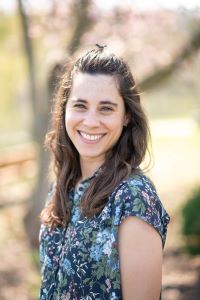 |
Dr. Sarah Marcus supports faculty who want to make active and group learning work in large classes. Drawing on her experience teaching BIO 113, one of Binghamton’s largest courses, Sarah helps instructors think through practical strategies for structured group problem-solving, participation, timing, peer review, project-based activities, and ways to keep students engaged without adding unnecessary grading burden. Faculty can work with Sarah through one-on-one mentoring or the Engage@Scale small-group series. |
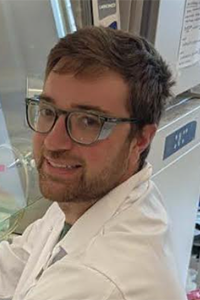 |
Dr. Andrew Ziesel, a CLT Fellow specializing in problem-based learning, supports faculty who want students to become stronger problem solvers. Drawing on his experience with problem-based learning in the First-year Research Immersion program, Andrew helps instructors turn existing lessons, units, assignments, labs, cases, or discussions into learning experiences where students investigate meaningful questions, apply course concepts, and develop solutions through inquiry and collaboration. Faculty may work with Andrew through individual consultations, small-group conversations, or department presentations focused on designing effective prompts, guiding student teams, assessing learning, and making problem-based learning manageable within an existing course structure. |