6 Reasons To Vote in the Upcoming Election
As we roll through October, you’ve probably already been approached by people asking if you’re registered to vote. Though presidential elections are often the ones that gather the most excitement, your voice is just as impactful in midterm elections. Curious about how you can make a difference as a student? Read on to see how voting can bring about change.
Election Day is Tuesday, Nov. 3. If you live on campus and are registered to vote using your on-campus address, you can cast your ballot in person in the Mandela Room. For more information about voting, check out the Center for Community Engagement’s (CCE) Turn Out to Vote webpage.
1. Voting Encourages You to Be Informed
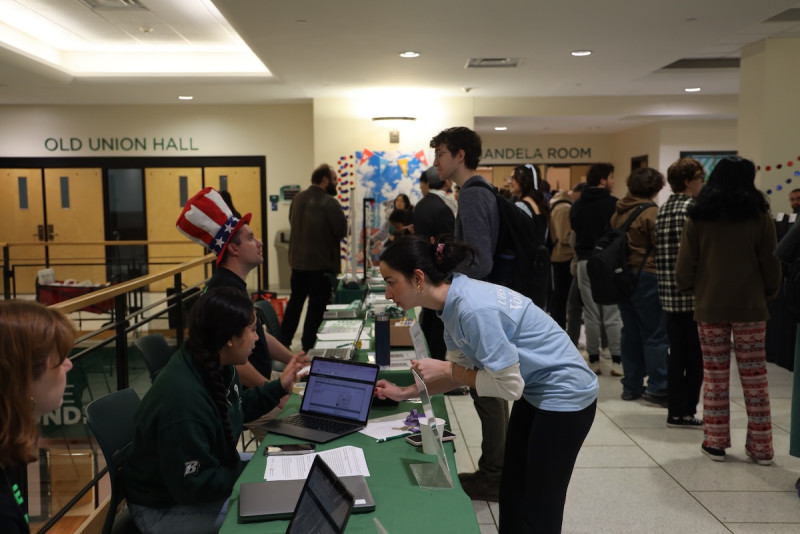
When voting, you should know who you’re voting for — which involves learning about the candidates, their stances, and their campaigns. Are any candidates doing work that you find particularly impactful? Whose values align the most with yours? Figuring out these questions means following the news, doing the research, and keeping track of when to vote in your district — three things that ensure you maximize the power of your vote. You can start by visiting the CCE’s Candidates and Issues webpage.
2. Voting Helps You Inform Your Friends and Family, Too
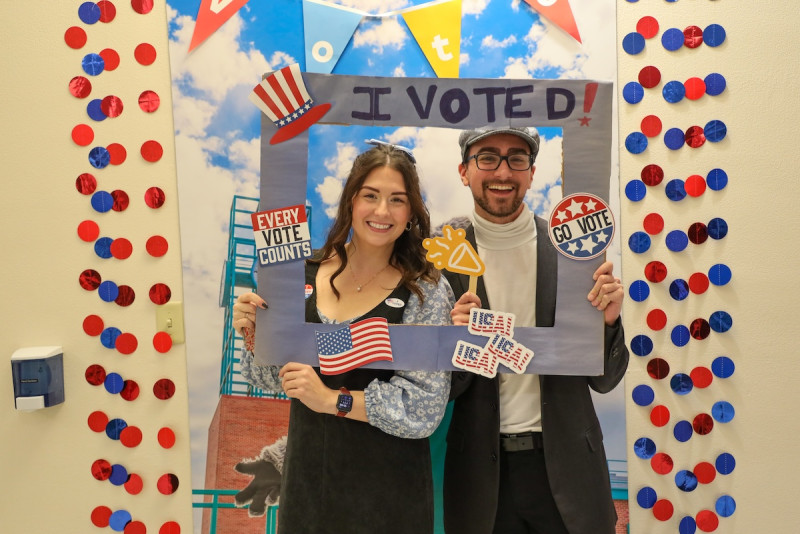
Looking for a way to show that you care? One way is letting your friends and family know that Election Day is coming up. This is also a great opportunity to challenge yourself: what do those close to you think about potential candidates, and what are they valuing in their politics? Though politics can be a heated subject, finding common ground is a really valuable tool that’s developed through discussions around voting season.
3. Voting Empowers You and Your Community
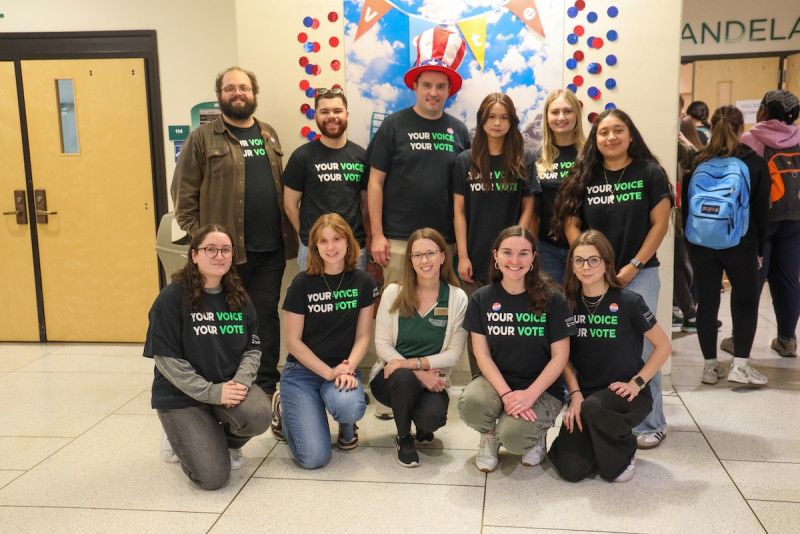
Your vote is your voice. It’s a form of agency in the face of broader systems that can feel, at times, too big for us to matter. As citizens, this is how we choose to be part of forming the future and protecting our communities. Placing your ballot makes all the difference for you and those around you, and puts into practice the care that you carry within you.
4. Voting Helps You Get to Know Your Community
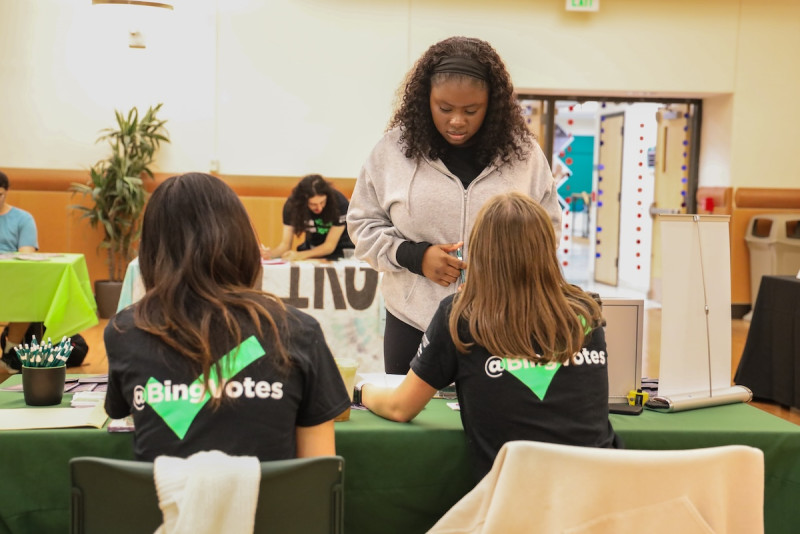
Voting is a form of engagement preceded, ideally, by getting to know who you’re voting for. In local elections, this can mean literally meeting candidates at events or debates. At Binghamton University, a slew of events are hosted around election time that allow you to meet and engage with the people in your community. The CCE hosts debate watch parties and also hosts a Great Debate the night before election night, where the College Democrats and the College Republicans engage in discussions moderated by Binghamton Speech and Debate. You can also choose to canvass for particular candidates or get involved in an election. For a student aiming to strengthen their transferable skills, this looks great on a resume!
5. Voting is Healthy
The American Medical Association passed a resolution in 2022 that declared voting a social determinant of health. In other words, this resolution points to the high correlation between active voters and people with longer life expectancies, higher incomes, better education, and better general quality of life. Voting enriches your life, especially when making an educated vote, because it’s an exercise of your choice. Those who believe in the power of their choice are then more likely to vote. In order to build up the belief that your voice matters, you have to take the first step of casting your ballot.
6. Voting is Ideologically Developmental
The first step to figuring out who you’re voting for is figuring out what you stand for. Determining your own values is an incredibly meaningful and necessary step. Often, values are informed by an innate sense of what’s right, which is formed from life experiences. Voting gives you a way to put these values into action.
Esther Klein is a Storytelling and Communications Assistant and a senior studying English Literature Creative Writing. She is interested in pursuing community-building work as her career.
Have questions, comments or concerns about the blog? Email us at social@binghamton.edu.