Beaches, Blockbusters, and Underwater Robots: 10 Binghamton Research Projects That Scream Summer
Science doesn’t take a summer vacation. It’s all around us, whether we’re catching rays at the beach, exploring bustling tourist towns, watching the latest blockbuster, or admiring nature in our own backyard. Here are a few projects, discoveries, and endeavors by Binghamton researchers that reveal the science behind summer.
1. Why do your fingers wrinkle at the beach?

Spend a few minutes at the beach this summer, and you’ll undoubtedly see your fingers shriveled up like raisins. Why? Ask Guy German, an associate professor of biomedical engineering. He studies the mechanics and properties of skin and found that wrinkles actually form in the same pattern every time they get wet. Wrinkles are caused by blood vessels contracting beneath our skin after prolonged immersion, and because our blood vessels are static, our wrinkles always follow the same pattern! For more fun summer skin facts from German, check out this video!
2. Exploring why cities get hot in the summer

You know that intense heat radiating from city streets in the summer? That’s the urban heat island effect. Concrete and asphalt absorb much more heat than trees and grass, which makes skyscraper- and sidewalk-heavy cities feel extra–hot during the summer. Associate Professor of Geography Thomas Pingel actually has a National Science Foundation grant to study this phenomenon. He’s using drones and specialized remote sensing technology to create 3D maps of cities to pinpoint hotspots, which could ultimately help urban planners design cooler cities. Talk about beating the heat! Learn more about the phenomenon and Pingel’s project in this video!
3. Creating VR replicas of real-life farms
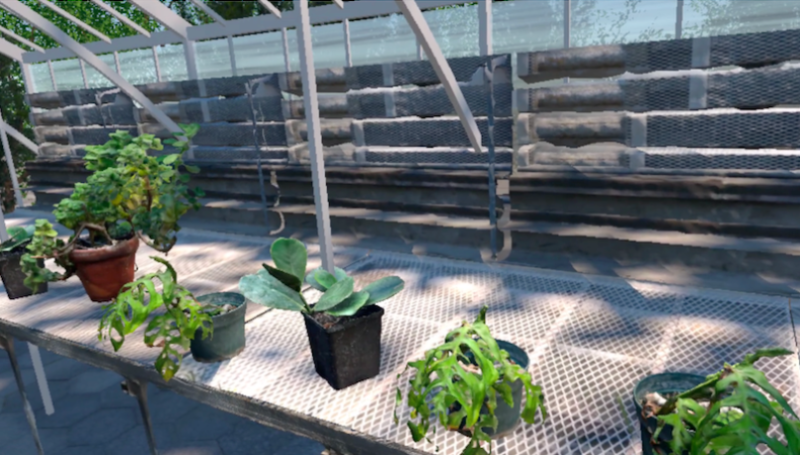
Summer is an important season for farming, when farmers work to ensure that crops are properly maintained and watered. But what if a farmer is unable to properly monitor their crops due to a disability or old age? That’s where new research from Binghamton engineers could come in handy. A team led by Assistant Professor of Electrical and Computer Engineering Anwar Elhadad has developed a system that lets users manage real crops in real time by visiting a “digital twin” of a farm. Users can monitor key information on temperature, humidity, and light via a VR headset. It’s like real-life Farmville or Stardew Valley! Check out this video to see the tech in action!
4. Why are there so many summer movie sequels?

Movie buffs look forward to summer all year, when studios release big blockbusters, but why do so many of them happen to be sequels? It’s not as simple as you think. Subimal Chatterjee, a SUNY Distinguished Teaching Professor at the School of Management, has studied the economics of sequels and found that while initial sequels tend to stick close to the original, later installments tend to take greater creative risks to combat audience boredom. Oh, and while sequels tend to outperform the original at the box office, they tend to be more harshly judged by critics. Learn more about Chatterjee and his expertise in this episode of The Aha Moment!
5. Making robots work better – underwater!
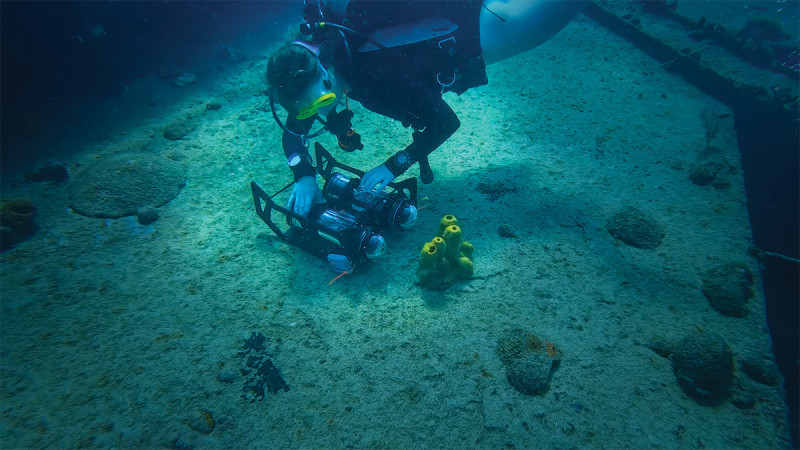
Programming a robot is hard enough. Now imagine programming one to explore the depths of the ocean! That’s just what Monika Roznere, an assistant professor of computer science, is trying to do. As the lead of the Marine Robotics Lab, her work focuses on enhancing the visual capabilities of robots to better explore challenging environments like the ocean – incorporating machine learning, artificial intelligence, 3D mapping and more. The coolest part? She gets to travel to Barbados and scuba to test out her latest innovations!
6. Uncovering how ticks are spreading and what diseases they carry
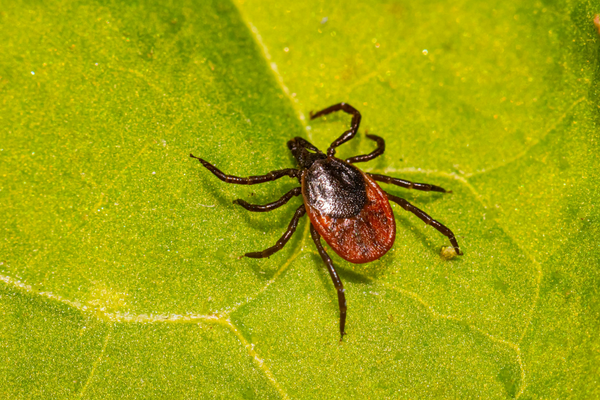
While it’s fun to head outside in summer, one growing public health issue is making it harder to safely enjoy camping, hiking, or even a basic backyard barbecue. Tick populations have been surging in recent years, and more of them are carrying Lyme and other life-altering diseases. That’s where researchers at the Binghamton University Tick-Borne Disease Center come in. The team, including Associate Professor Michel Shamoon-Pour and Professor of Pharmaceutical Sciences Yetrib Hathout, collects ticks to learn where they come from, study their behavior, and test them for various pathogens. Their work could help lead to better prevention efforts and ultimately make it easier to enjoy the summer weather safely! Check out this video to see how many ticks a researcher could find in one hour!
7. Studying fungi that inhabit marine environments

You might not realize it, but the beaches we enjoy every summer owe a debt to the salt marsh: wetland areas that help protect shorelines and serve as a habitat for marine wildlife. Lecturer Christopher Smyth from the Department of Biological Sciences, a marine biologist and mycologist (that’s a fungi researcher), studies the fungi found within these marshes, particularly heavy metal accumulation in urban-impacted marshes. You’ll often find him at Chincoteague Bay Field Station, located on Virginia’s Eastern Shore, where he conducts research and leads students on salt marsh explorations, hunts for mycoplankton, and more!
8. Making grass healthier and more resilient
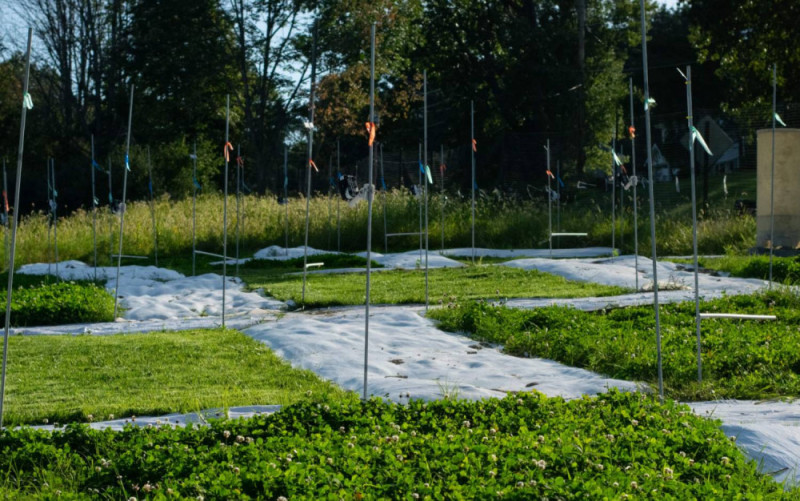
As you enjoy your backyard or a park this summer, take a moment to consider the complex factors at play that ensure the health and vitality of the grass beneath your feet. Assistant Professor of Ecosystem Science Amber Churchill knows all about that, on a grand scale. She studies how plants and ecosystems are affected by global change – from how drought affects grasslands to the impacts of fertilizer. At the Pasture and Lawn Enhanced Diversity Global-change Experiment research site, Churchill studies how experimental lawns respond to the addition of plant species like creeping thyme or dwarf white clover.
9. Kids can keep learning all summer long

Summer break means fun, but for many kids, it can also lead to the dreaded “summer slide,” a loss of academic skills that occurs during the extended break. Research from Amber Simpson, an associate professor and director of the Re-Imagining Schools Research Lab, could help kids keep their math skills sharp over the summer. Providing kids and families with MAKEngineering kits, Simpson and her team found that parents and caregivers can help kids learn important math concepts outside of the classroom, right from the comfort of their homes! Check out this video for more on Simpson and her work in engaging children in STEM!
10. This summer diet could help you destress
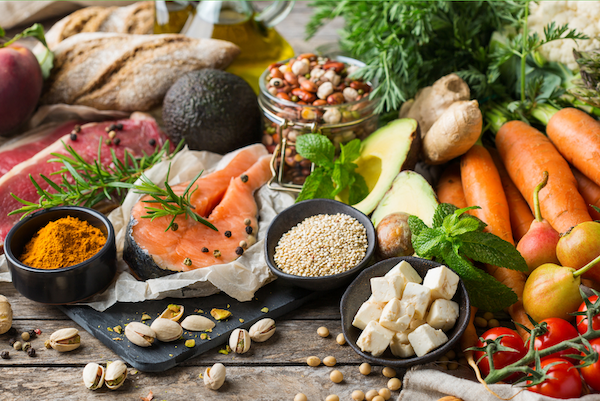
Burgers, hot dogs, and barbecue chicken spring to mind when thinking of summer cuisine, but if you want to feel less stressed this summer, you should probably turn to the Mediterranean diet. Consuming components of this diet, which is rich in fruits, leafy greens, and other foods that are abundant during summer months, is associated with lower levels of perceived stress and mental distress, according to research from Associate Professor of Health and Wellness Studies Lina Begdache. So if you’re looking to reduce stress this summer, consider adding some salmon and Swiss chard to your menu! Check out this video for more info on Begdache’s work on the interaction between food and mood!
Have questions, comments or concerns about the blog? Email us at social@binghamton.edu.