Immersive undergraduate summer research, powered by FRI.
Our undergraduate Summer Research Programs provide students with a unique opportunity to engage in meaningful, faculty-mentored research through a nationally recognized program known for its innovative, course-based research model. Built on the same collaborative structure, mentorship, and research expertise that define FRI during the academic year, these summer programs allow students to join a research stream, develop hands-on laboratory and analytical skills, and contribute to real scientific questions. By drawing on FRI’s experienced faculty, peer mentors, and well-established research streams, the summer programs offer an intensive and supportive environment where students can explore their interests, build confidence as researchers, and take an early step toward future academic and career success.
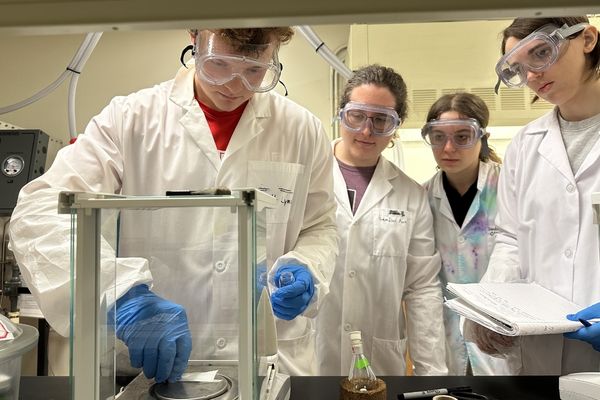
Students conduct research within a focused research stream in science or engineering, supported by dedicated laboratory space and led by a Research Educator. Working in teams of three to five, students collaborate on research questions aligned with the stream’s overarching goals, developing essential skills in teamwork, communication, and identifying next steps in the research process. Programs are open to all college/university students unless otherwise noted.
These programs are course-based and count towards a Binghamton University degree. The courses fulfill various general education requirements and count towards some majors and minors. To learn more about how FRI courses count towards degrees here.
10-Week Summer Research Immersion (SRI)
- Research Stream: Clean Energy
- May 26 - July 31
- 2, 4-credit courses (CHEM 211, CHEM 311/PHYS 335)
- In-person at Binghamton University
- A breakdown of costs for NYS residents is available below:
- Tuition & Fees: 8 credits = $2,782.60
- Laboratory Fee: $300
- Total Cost: $3,082.60
5-Week Summer Research Immersion (SRI)
- Research Stream: Biomedical Chemistry
- May 26 - June 29
- 1, 4-credit course (CHEM 261)
- In-person at Binghamton University
- A breakdown of costs for NYS residents is available below:
- Tuition & Fees: 4 credits = $1,393.80
- Laboratory Fee: $150
- Total Cost: $1,543.80
5-Week Fast-track Research Immersion (FtRI)
- Research Stream: TBD
- Summer Session I
- In-person
- Join FRI program fall
- *Only Binghamton students are eligible
- A breakdown of costs for NYS residents is available below:
- Tuition & Fees: 4 credits = $1,393.80
- Laboratory Fee: $150
- Total Cost: $1,543.80
*Subject to change, 2025 Summer Tuition & Fee Rates
**Most up to date summer tuition and fees and non-resident tuition can be found on the Student Accounts website.
Additional Costs
- Campus Housing - a campus resident hall in a double-occupancy room at a discounted rate of 50% is available to our summer research students. More information can be found through Residential Life.
- Campus meal plan
- Parking - summer parking permits may be purchased via transportation and parking services.
- For more information about summer session at Binghamton University please visit the Center for Learning and Teaching's Summer Session student info page.
Apply
The summer application for 2026 is open! The application has rolling admission and application review will start March 2nd, 2026. The number of slots in the programs are limited, so we recommend that you apply early. Applicants will notified within a few weeks of the application deadline of April 5th, 2026.
Materials required:
- Google form application
- Personal information
- Recommender contact information
- Personal statement (reasons for seeking opportunity and commitment to program)
- Recommendation Google Form filled out by recommender
- Transcript for NON-Binghamton students only
SRI Student Quotes
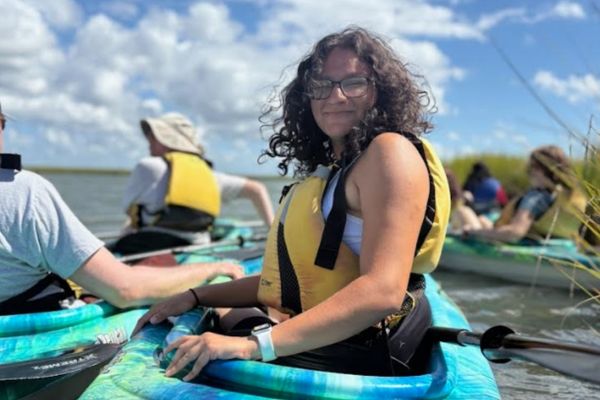
"My experience in this course could not be matched by any other courses in Binghamton. Seeing in person what I would usually only see in textbook photos changed my perspective on my education, and made me feel ready to apply what I was learning into a career. I also strengthened my professional relationships based on the course's collaborative approach with other courses." — Safiya Hamdani, Biogeochemistry
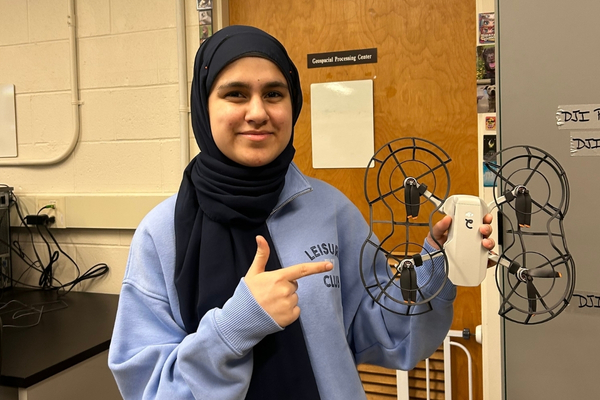
"What began as a curiosity about climate change ended with meaningful results about its effects on the Binghamton Valley structure. I went from learning how desktops work to... analyzing real environmental data... to learning how to write academic papers that represent science professionally and to envisioning five years toward a PhD within the stream. Through FRI, I learned not to limit myself because research isn’t something I do, it’s who I am. Environmental Visualization was the first step — and sometimes, that first step is exactly what you need." — Rabia Khan, Environmental Visualization
Contact
Caitlin Light
Assistant Director, Researcher, Microbial Biofilms in Human Health
First-year Research Immersion Program