FRI Clean Energy Research Stream
Power Tomorrow, Today–Developing Better Energy Conversion and Storage Technologies
Globally political and industrial leaders have identified energy challenges as among the most pressing that nations face. Demand for energy, particularly alternative and sustainable energy, will increase substantially over the coming years. The research carried out by first-year students in the Clean Energy research stream at Binghamton University encompasses development of new materials for eventual implementation in devices for better energy generation and storage.
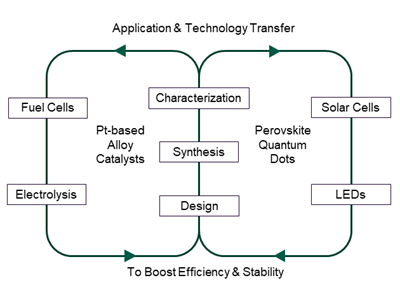
Clean Energy intersects the traditional disciplines of Chemistry, Physics, Materials Science and Engineering. The Clean Energy Research Stream focuses on fundamental and applied research in the field of Clean Energy, with the broader impact of developing materials towards application in energy harvesting and storage devices. The Clean Energy Research Stream consists of a multidisciplinary collaboration of faculty working with the current Research Educator who oversees the stream projects.
Research Themes
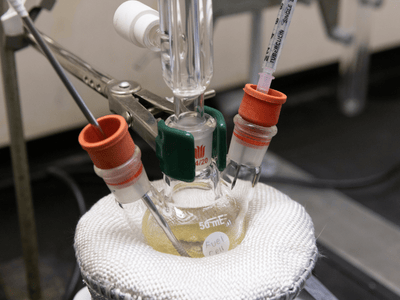
Material Synthesis
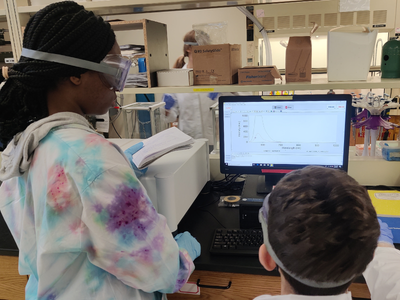
Advanced Characterizations
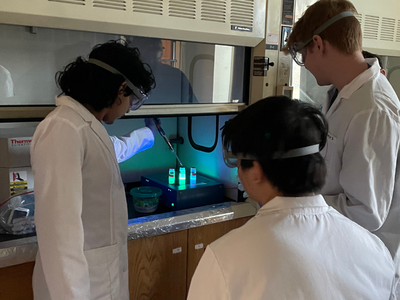
Energy Conversion
Energy Storage
Research Educator

Yiliang (Yancy) Luan
Clean Energy, Research Assistant Professor
Chemistry; First-year Research Immersion Program
Research Interests
Dr. Yiliang (Yancy) Luan is a researcher and educator whose work focuses on the rational design and synthesis of nanoalloys for fuel cell and water-splitting catalysis, as well as the development of perovskite materials for light-emitting devices and solar cells. Their research integrates materials synthesis, structure–property relationships, and functional performance to advance sustainable energy and optoelectronic technologies. Equally committed to education, Dr. Luan is passionate about mentoring undergraduate researchers and teaching students how to think and work like scientists from the earliest stages of their academic careers. Through course-based and mentored research experiences, they emphasize hands-on experimentation, critical thinking, and scientific communication, with the goal of making research accessible, inclusive, and transformative for students.
Research Techniques
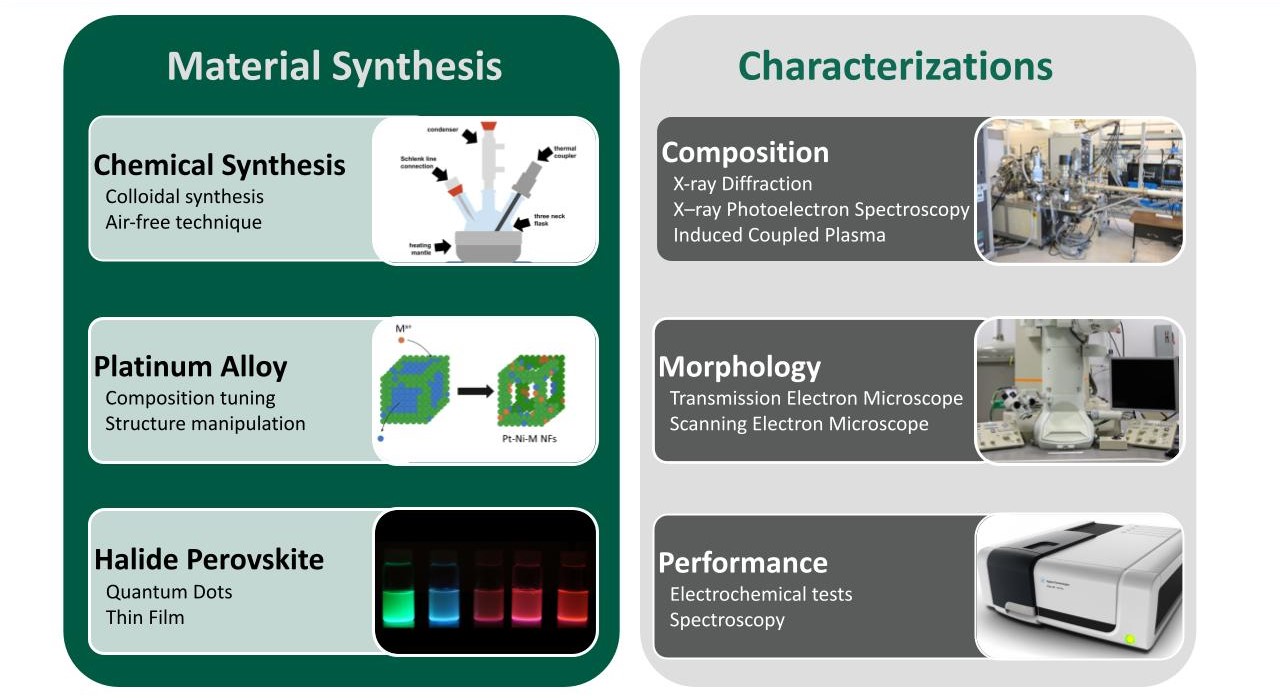
Material Synthesis
Chemical Synthesis
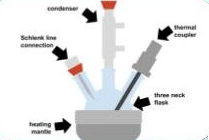
- Colloidal synthesis
- Air-free technique
Platinum Alloy
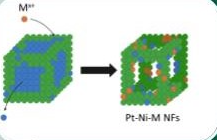
- Composition tuning
- Stucture manipulation
Halide Perovskite
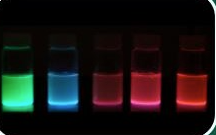
- Quantum dots
- Thin film
Characterizations
Composition
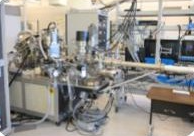
- X-ray diffraction
- X-ray photoelectron spectroscopy
- Induced coupled plasma
Morphology
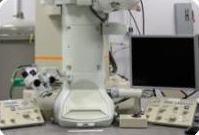
- Transmission electron microscope
- Scanning Electron microscope
Performance

- Electrochemical tests
- Spectroscopy
Research Projects
-
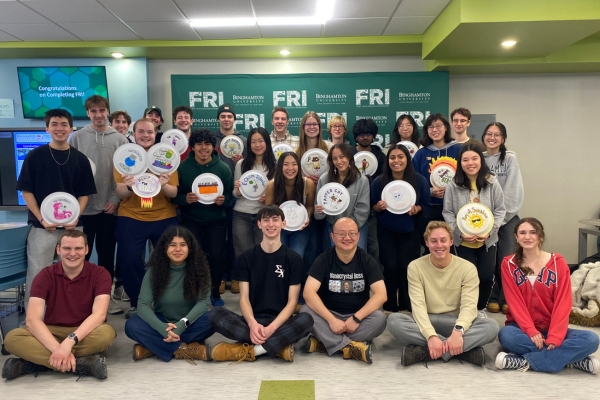
Cohort 11 (2024-2025)
- Doping perovskite quantum dots via halide hot-injection
- Mapping the transformations of polysulfides in lithium sulfur batteries using DFT
- Pt-Ni-Pd nanoframe catalyst for pH-universal hydrogen evolution reaction
- Pt-Ni-Sn nanoframe catalyst for methanol oxidation reaction
- Synthesis of hybrid organic-inorganic perovskite quantum dots using halide hot-injection
-
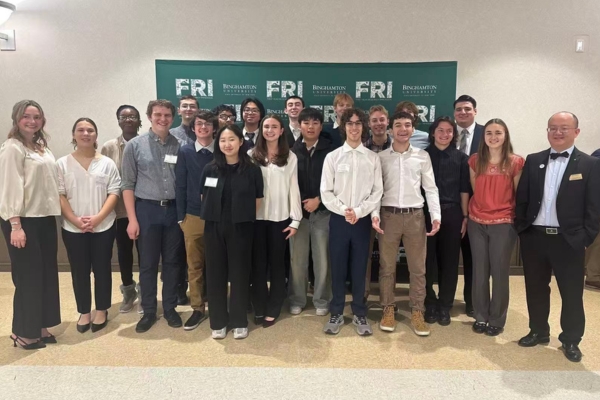
Cohort 10 (2023-2024)
- Computational simulation on the effects of functional groups on crystalline triangulene as a spin filter
- Mitigation of tin instability in CsSnxPb1-xI3 perovskite quantum dots through antioxidants
- Nanoporous Pt-Ni-Fe ternary alloy catalysts with enhanced performance for methanol oxidation reaction
- Novel aggregative photoluminescence emission from CsPbBr3 PQDs incorporated with Mn2+
- Pt-Ni-Ru ternary alloy nanoframe catalyst in hydrogen evolution reaction
-
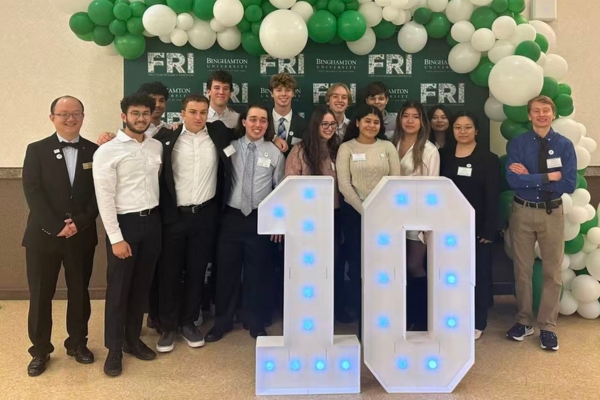
Cohort 9 (2022-2023)
- Encapsulating CsPbBr3 perovskite quantum dots with lead sulfide
- Pt-Ni-Cu nanoframes for formic acid oxidation in fuel cells
- Pt-Ni-Ru nanoframes electrocatalyst for hydrogen evolution via water electrolysis
- Synthesizing tin-based perovskite quantum dots using weak ligands
-
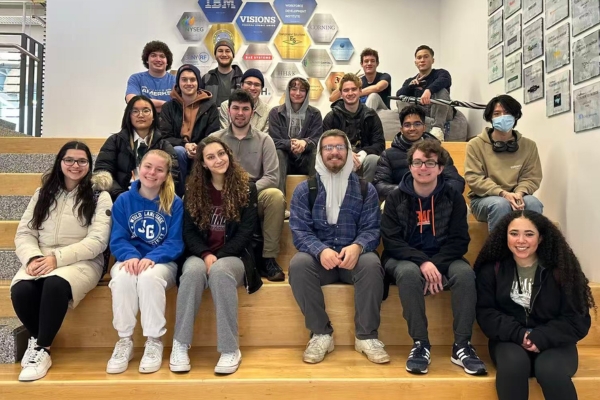
Cohort 8 (2021-2022)
- Computational studies of Pt-based alloys for methanol oxidation reaction
- Facile synthesis of Pt-Ni-Cu nanoframes for methanol electro-oxidation reaction
- Novel 2D/3D perovskite quantum dots with tunable blue emission
- Syntheses of lead-free quantum dots for use in solar cell devices
- Synthesis study of CsPbBr3 quantum dots-based nanocomposites
-
Cohort 7 (2020-2021)
- Ab initio investigation of various Pb-free alloys for use in solder applications
- Full replacement of lead in perovskite or perovskite derivative QDs
- Developing stable CsPbBr₃ PQDs via modification of mid-synthesis silica encapsulation
- Improving the stability of CsPbBr₃ perovskites with a TiO₂ shell
- Metal-ion doping in CsPbX₃ perovskite nanocrystals (partial replacement)
- Tuning the optical properties of perovkite nanocrystals using anion exchange



-
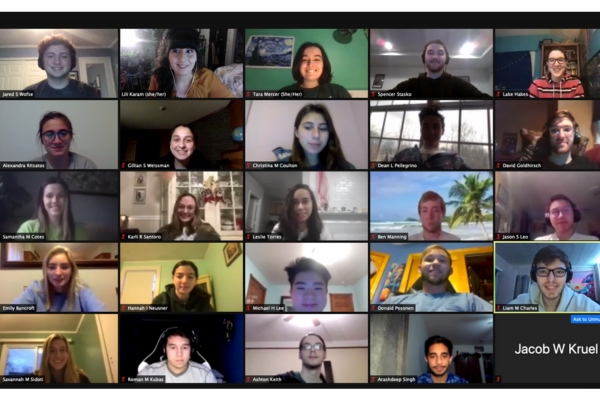
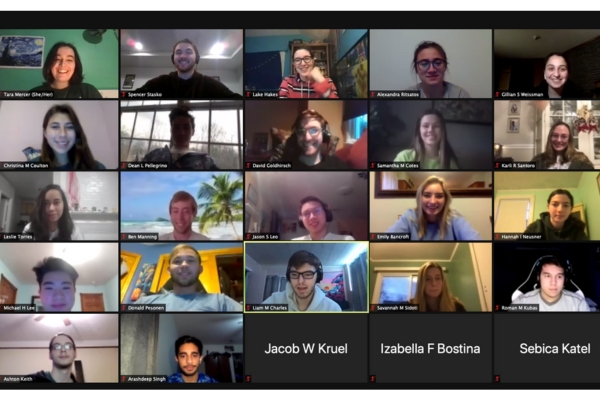
Cohort 6 (2019-2020)
- Computational investigation of a partially substituted tungsten chevrel phase as a cathode for multivalent ions
- Improving stability of CsPbBr₃ perovskite quantum dots through partial replacement of lead
- Reducing the toxicity of perovskite quantum dots through the replacement of lead
- Stabilization of CsPbBr₃ perovskites via post-synthesis silica shelling
- The effect of ligand ratio on the stability of CsPbBr₃ nanocrystals synthesized by supersaturated recrystallization and microwave synthesis
-
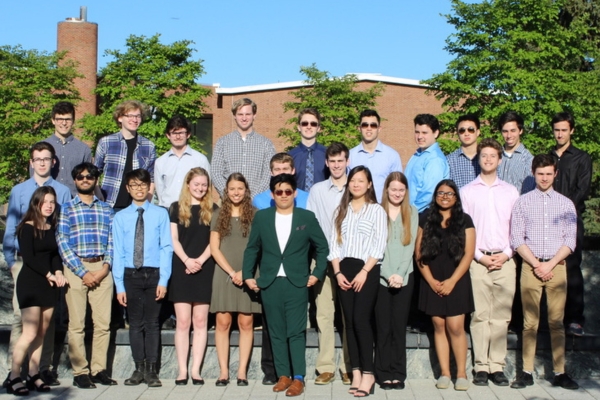
Cohort 5 (2018-2019)
- Room-Temperature Synthesis of Manganese-Doped Silica-Coated CsPbBr3 Inorganic Perovskite Quantum Dots
- Computational Investigation of a W6S8 Cathode with Multivalent Ions
- Density Functional Theory Analysis of Titanium Dichalcogenide Cathodes
- Highly Luminescent and Photostable CsPbBr3 Perovskite Quantum Dots via Facile Silica Encapsulation
- Room Temperature Synthesis of CsPbBr3 Quantum Dots Using Trioctylphosphine Oxide and Phosphonic Acid Ligands
-
Cohort 4 (2017-2018)
- Analyzing the Performance of Perylene Acceptors in Organic Photovoltaic Cells
- What Are The Characteristics of Dielectric Constants Under The Influence of Microwaves?
- EIS: The Future for Characterizing Heterojunctions
- Comparison of Different Dopants in Titanium Dioxide for Use in Photocatalytic Water Splitting
- Comparison of Fabrication Methods for PEDOT/ZnO, PEDOT/TiO2, PEDOT/Si, PSS:PEDOT/Si, and PSS:PEDOT/ZnO Heterojunctions
-
Cohort 3 (2016-2017)
- Determination of figure of merit values of copper(I) iodide thin films with high conductivies and transparencies
- Electrodeposition of Inorganic and Organic Hybrid p-n Heterojunctions
- Mediated Electropolymerization of Poly(3,4-ethylenedioxythiophene) via Perovskite
- Increased Adhesion of Poly(3,4-ethylenedioxythophene) Grafted Thin Films on Polar Substrates

-
Cohort 2 (2015-2016)
- Fabrication of a Flexible and Transparent CuI/a-IGZO Heterojunction
- Fabrication Methods and Variations on Copper Iodide Thin Films
- Synthesizing PEDOT Using Various Oxidants
- Fabrication of PEDOT Thin Films Over a-IGZO using Oxidative Chemical Vapor Deposition and EDOT TMS Grafting

-
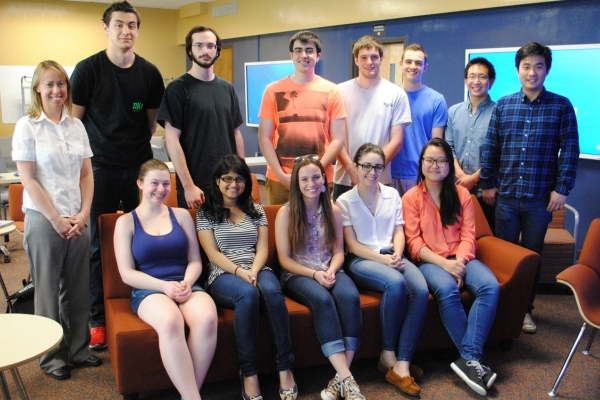
Cohort 1 (2014-2015)
- Synthesizing Superior Supercapacitors
- Copper Iodide: The Future of p-Type Semiconductors
- A New Battery for a New Age
- Examination of diode behavior of a novel organic-inorganic p-n junction
Research Stream Collaborators

Tara Dhakal
Professor; Director
Electrical and Computer Engineering; Center for Autonomous Solar Power (CASP)
Research Interests

Research Interests

Manuel Smeu
Associate Professor
Physics, Applied Physics and Astronomy
Research Interests
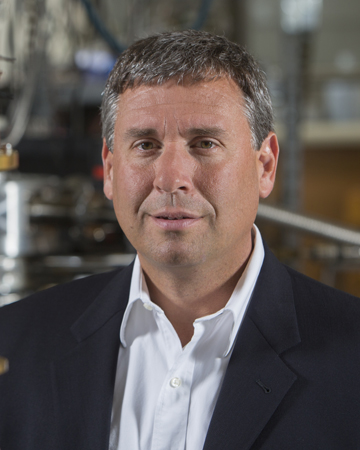
Bruce E. White
Professor
Physics, Applied Physics and Astronomy
Research Interests

Stanley Whittingham
Distinguished Professor of Chemistry; Founding Director; Director; Chief Innovation Officer, R and D Pillar Lead
Chemistry; Battery-NY; NorthEast Center for Chemical Energy Storage (NECCES); Upstate NY Energy Storage Engine