Advising for Music Majors and Minors
Music Academic Advising is here to help you navigate the music requirements for your degree and career goals!
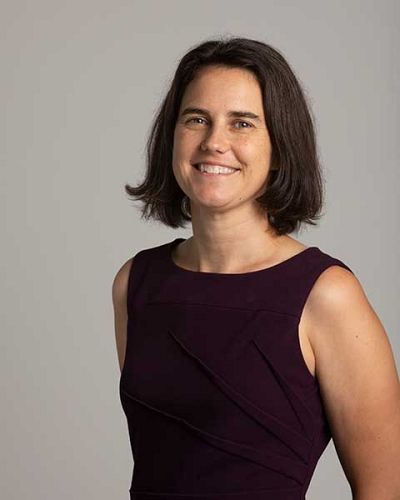
Our undergraduate director, Sarah Gerk, is here to help but for quick questions check our FAQ section below or email musinfo@binghamton.edu.
Important Dates
Handbooks
Additional Help
For advising needs outside of music classes, include GenEd, Writing, and other Harpur College requirements, see Harpur Advising.
Declaring a Music Major
Students interested in a music major or minor should make an appointment with the Director of Undergraduate Studies, Sarah Gerk, to discuss their goals and how Binghamton University’s music programs might suit them. Students at Binghamton University typically declare a degree path after spending about a semester taking courses in the department. Some courses to consider during your first semester on a degree path to music include:
- Courses that Count Toward a Major or Minor
- MUS 215, Music Theory I and MUS 216, Musicianship I (designed to be taken concurrently)
- Studio Lessons
- An ensemble
- Courses that Do Not Count Toward a Degree Path, but that May be of Interest to Students Considering Degree Paths
-
- Courses in the series MUS 110-115
- MUS 141, Beginning Piano
- MUS 143, Beginning Voice
- MUS 388, Songwriting & Production
For degree requirements for a Bachelor of Music, Bachelor of Arts in Music, or a Music minor, please see the relevant Binghamton University Bulletin for the year that you matriculated at BU (typically the year in which you began). Be advised that the curriculum for our majors is changing, so it is important to consult the specific Bulletin for the year that you matriculated at BU.
For degree requirements, see the Binghamton University Academic Guide associated with the year in which you first enrolled or matriculated.
Frequently Asked Questions
-
How do I register for Ensembles?
Students should register themselves for an ensemble once they have auditioned and been approved by the instructor to be in the ensemble.
NOTE: All students who are registered for lessons are required to perform in a Binghamton University ensemble approved for their performing medium during the semester in which they are taking lessons (consult with your studio instructor), so that they can build technique, musicality, and ensemble skills together. Unless granted permission by the Undergraduate Director to do otherwise, students must perform in an ensemble on the instrument for which they are taking lessons.
In the event of scheduling conflicts with required courses or in other, limited, circumstances, students may request a waiver of the ensemble requirement for studio lessons. Students are advised that a waiver of the ensemble co-requisite for a lessons course does not exempt students from ensemble requirements for the degree. The waiver is only granted once during any student’s time at Binghamton University. See the forms section below for conflict waiver.
-
How do I register for Lessons?
Students are registered into their lessons courses by the administrative assistant in the Music Office AFTER the add/drop period ends. Please plan for your credit load to increase upon lessons registration. -
What if I need an instrument?
During the academic year, students in a Music Department related ensemble may borrow an instrument and varying equipment from the Music Department. To be considered for the instrument usage program, students may contact Jingqi Zhu.
For questions regarding instrument rentals in general, please contact the music office by emailing musinfo@binghamton.edu.
-
What is a Jury?
In the final weeks of the semester, students and their applied studio teacher should discuss and agree upon repertoire for their jury. No later than the last day of classes, students must complete a jury form (provided by the instructor) and submit scans of the music for all their repertoire, etudes and other materials to be presented. A solo part (without piano reduction) is acceptable.
The jury itself will be in two or three parts depending on the student's work over the semester:
- Scales: selected by the studio teacher in consultation with the panel
- Etude (if appropriate): a brief selection showcasing technical work done over the course of the semester. The studio teacher may also opt to include sight reading here.
- Solo repertoire
-
How do I plan a Recital?
A recital is a major project that requires the coordination of many different people. Before you begin your proposal or work with our Concert Manager to find a date, be sure to follow the timeline outlined below:
Before the semester of your recital:
- Determine with your private teacher that you are ready to perform your recital and discuss the program.
- Arrange for an accompanist and other collaborating performers. Be clear with them about the anticipated rehearsal commitments.
- Discuss potential members of your committee with your private teacher. Your committee needs to have three Music Department Professors or Instructors. At least one member needs to be outside of your area of specialization (i.e., outside of the vocal area for singers, and outside of the instrumental area for instrumentalists). Two committee members should be full-time faculty. The full committee must be present for all recital previews, and for honors recitals. The faculty committee will also make every effort to attend the recital.
- Talk to three appropriate faculty members that can serve on the committee, and ensure that your committee can attend the preview when reserving your preview dates.
- Make a reservation for the performance hall and the preview. Students can reserve the hall the semester before the recital date. Please note: for concert planning and management purposes, the recital must be scheduled by the end of the Add/Drop period for the semester in which the recital is planned.
- Arrange for the preview and reserve any necessary halls.
8 weeks before the recital:
- Submit the request for an exception to the inclusive programming policy, if applicable. Please include a brief statement justifying your programming decisions in your request.
6 weeks before the recital:
- The recital proposal, including the properly formatted program and the date and time of the preview, must be submitted to the Undergraduate Director, for the approval of the faculty Undergraduate Committee. Students who do not get their program approved in time are subject to cancellation of the hall reservations for the event and the preview. Registration for credit-bearing recitals (mostly Honors recitals) will only take place after the program is approved.
- The Recital Proposal Form.
See the undergraduate handbook for details about preparation in final weeks leading up to your recital.
-
What do I do if my Degree Works does not properly recognize my coursework
Because the requirements for music degrees can vary widely by student and degree path, students often need to have classes manually entered into DegreeWorks to accurately reflect your progress toward your degree. Dr. Gerk checks the DegreeWorks of graduating seniors, but if you need adjustments before then, reach out to her.
For more information you can visit our FAQ page or sign up for an advising appointment.
Department Forms
Advising Appointment
For Undergraduate Advising:
For Graduate Advising: email musgrad@binghamton.edu.