Safe Handling of Sharps
There are many different hazards posed by sharp objects materials. Sharps may puncture skin and introduce chemicals, or if placed in the inappropriate trash receptacle may harm Facilities staff.
Identification:
Types of Sharps Commonly Found in Labs |
Image |
Incident Likelihood |
Storage Method |
Disposal Method |
| Hypodermic Needles | 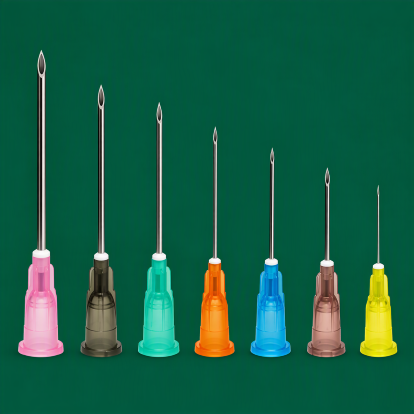 |
High- will easily puncture skin | Tip down in beaker, styrofoam, cardboard, etc. | Sharps container |
| Cannulas | 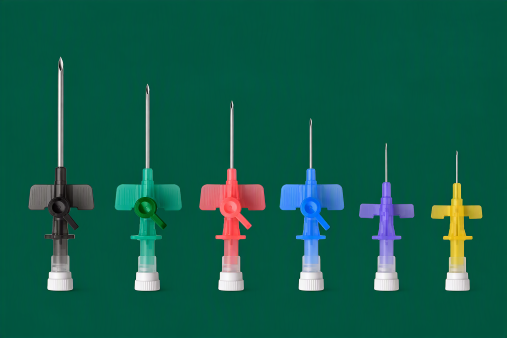 |
High- will easily puncture skin | Tip down in beaker, styrofoam, cardboard, etc. | Sharps container |
| Blunt tipped Needles | 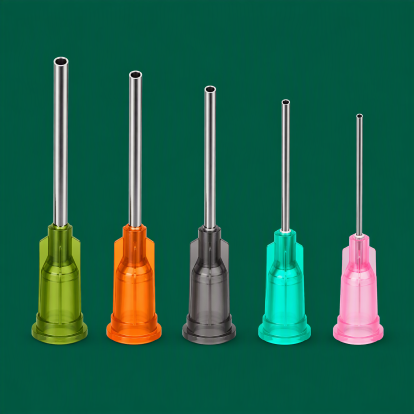 |
Likely at narrower gauges, will puncture trash bags | Tip down in beaker, styrofoam, cardboard, etc. | Sharps container |
| Pipette Tips | 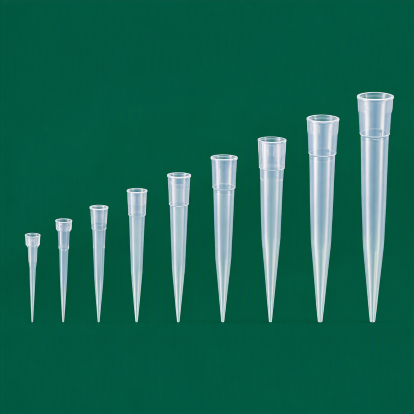 |
Not Likely, may puncture trash bags or biohazard bags | N/A | Hard sided container, then appropriate route depending on contamination (Biohazardous Waste, Hazardous Waste, or Trash) |
| Serological Pipettes | 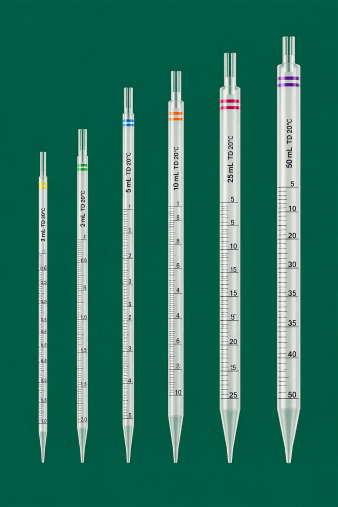 |
May puncture Bio boxes, especially if broken | N/A | “Pipette keeper” box, or original packaging, then send to red biohazard box. |
Proper Storage and Use
While using sharps, always minimize time with the sharp edge exposed. Uncap, use, send to sharps container or proper storage area. If sharps are to be reused, make sure they are stored tip down in a beaker or hard sided container, or plunged into a piece of cardboard or sponge. Recapping needles is not advised under most circumstances.
Appropriate Disposal Route
Once ready for disposal, sharps containers should be closed, taped up, appropriately marked, and sent through the appropriate disposal route. This may be the Biological waste stream, Hazardous Waste stream, or normal trash.
There may be other sharps not pictured here, please consult with your PI or email EHS@binghamton.edu with clarification or questions.