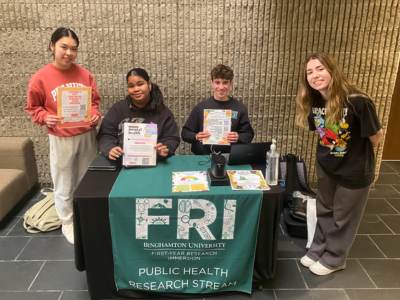
FRI Public Health Research Stream
Health for All: Promoting Wellbeing, Preventing Disease, Protecting Health
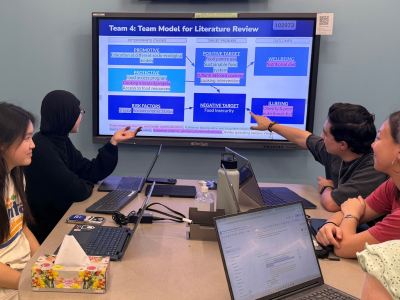
The Public Health stream explores the biological, psychological, behavioral, political, and economic determinants of human health. Each student grows to become their team's expert on a specific research methodology and mechanism influencing their interdisciplinary research problem. Thus, the public health stream provides a great opportunity for students interested in biology, psychology, health sciences, sociology, economics, environmental studies, political science, math and many other fields.
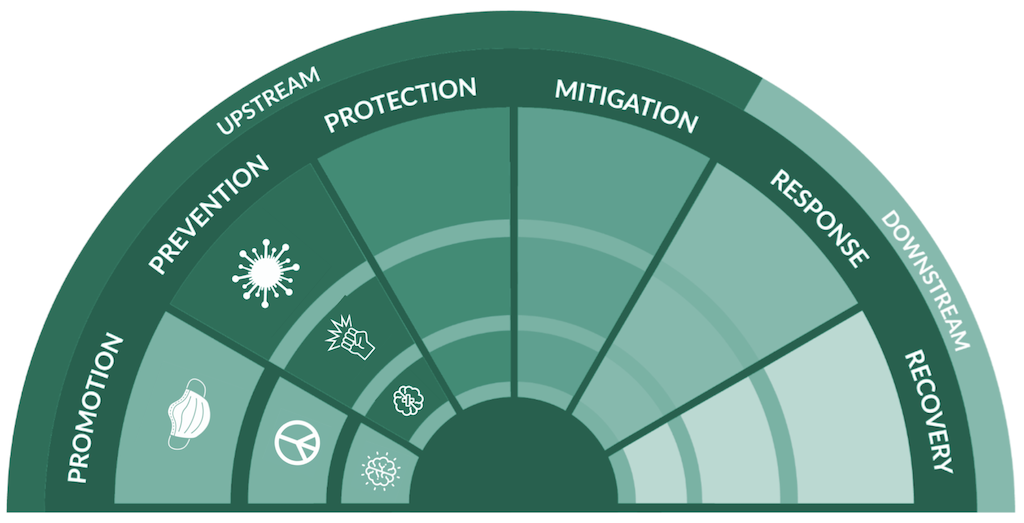
The field of public health targets health upstream before health problems require clinical care. For example, promoting mental wellbeing and preventing mental distress is more proactive than treating mental disorders. Community health can be improved by promoting safety and preventing violence rather than responding reactively or using punishment-oriented practices. Public and community health approaches use promotion and prevention, upstream, to address holistic health. Our research projects focus on applying the science of health promotion and prevention to cancer screenings, mental health, community violence, and food insecurity among college students, Broome County residents, and marginalized populations.
Research Themes
Health Promotion
Violence Prevention
Mental Health
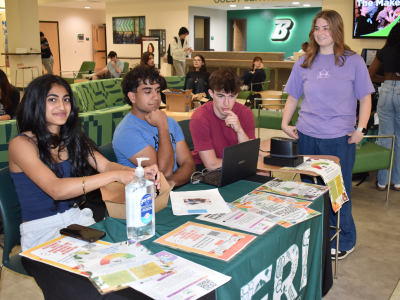
Food Security
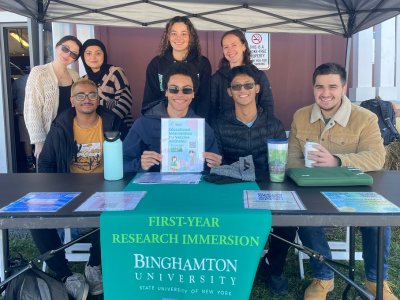
Health Justice
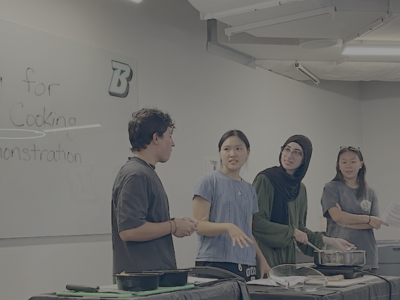
Disease Prevention
Research Educator
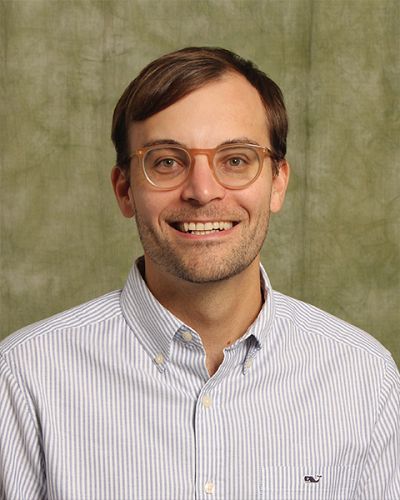
Shane McCarty
Public Health, Research Assistant Professor
First-year Research Immersion Program
View Full Profile Research Interests
Dr. Shane McCarty is the Research Educator for the Public Health research stream. He is passionate about promoting mental wellbeing, preventing violence, and advancing health justice. As a research scientist, he blends psychology and community health to examine a range of beliefs about social and health issues, prosocial motivation, and strategies for health promotion and prevention. His work as a practitioner is rooted in participatory action research, guiding student-led and community-driven solutions for health and safety. He has developed and delivered team-based programs that increase resilience among youth after a school shooting, support school administrators and educators addressing school climate, reduce/mitigate disparate school disciplinary practices by school-based law enforcement, and build interprofessional competencies for healthcare professionals. In his role as a Research Educator, he uses a tailored-teaching approach to facilitate individual exploration and effective team-based research, leading to a personal, interpersonal, or sociostructural analysis of health. As a mentor, Dr. McCarty has guided high school and undergraduate students who are passionate about becoming the next generation of public health scientists, practitioners, and leaders.
Research Techniques
Research Methods
Participatory Research
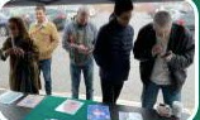
- Working with the community
Quantitative Methods
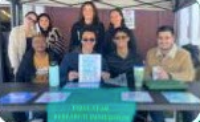
- Surveying a population
- Evaluating programs
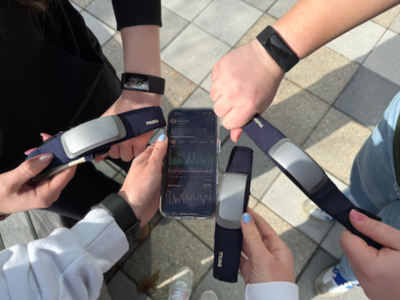
Wearables
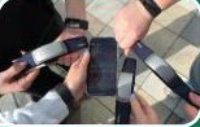
- Tracking sleep with MUSE S
- Tracking activity with Fit
Data Science
Data Visualization
- In web-based Shiny apps
Statistics in R
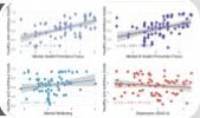
- Using Posit Cloud
Modeling
- With real and synthetic data
Reproducible Reports

- Transparent reporting
Research Projects
-
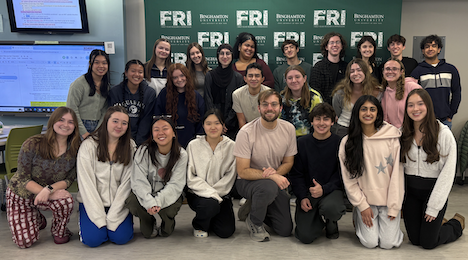
Cohort 11 (2024-2025)
- Care vs. fear-based safety: Associations with growth vs. fixed mindsets
- Gender differences in cooking self-efficacy
- Is the binghamton community eating enough vegetables?
- Lifestyle mental health: A 7-day study of sleep and exercise among FRI students
- Politically-polarizing content, social media use, and mental distress
-
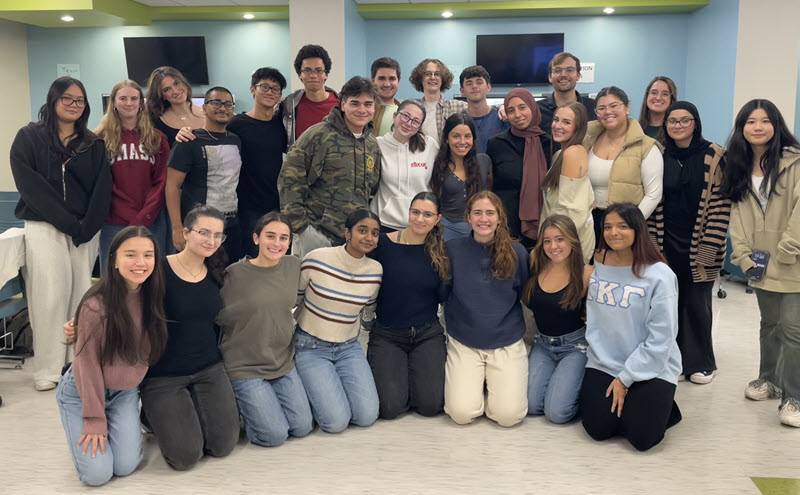
Cohort 10 (2023-2024)
- Assessing the behaviors connecting Type 2 Diabetes and oral health
- Examining health beliefs and motives for substance use among university students
- Public knowledge and attitudes on vaccinations and reproductive health
- The effect of an educational intervention on vaccine attitudes
- Voting behaviors and health perceptions regarding incarcerated people
-
Cohort 9 (2022-2023)
- Assessing behaviors that promote brain health
- Lifestyle factors and metabolic syndrome
- Modifiable factors in cognitive function - socioeconomics, mental health, substance use, & TBIs
- Public knowledge and attitudes related to substance use & family health
-
Cohort 8 (2021-2022)
- Adverse childhood experiences & psychosocial health
- Adverse childhood experiences: physical & mental health interactions
- Assessing & improving college lifestyles
- COVID-19: socioeconomics, perceptions, attitudes, & health behaviors
- Views on reproductive & sexual health education
-
Cohort 7 (2020-2021)
- Adverse childhood experiences & COVID-19 pandemic health
- Predictors of COVID-19 vaccine attitudes
- Protecting fertility & building healthy families
- Public perception of law enforcement
- Youth diet & exercise as factors in musculoskeletal health
-
Cohort 6 (2019-2020)
- Adverse childhood experiences, minority stress, physical health and post-traumatic stress disorder
- Exercise and diet patterns as factors in forearm trabecular and cortical bone development in pubertal girls
- Exercise, sleep, and stress in college students during the COVID-19 pandemic
- Identifying gaps in reproductive health awareness
- Mental health, technology, substance use and academic stressors: factors in college sleep quality during the COVID-19 shutdown
- Student perceived stress during COVID-19 shutdown
-
Cohort 5 (2018-2019)
- Contraceptive use and its determinants
- Diet, exercise, sleep and mental health
- Food insecurity, perceived stress, exercise and obesity risk in emerging adulthood
- Living situation, academics, sleep & mental health
- Socioeconomic status, family structure and youth obesity risk
- Substance use, sleep and mental health
-
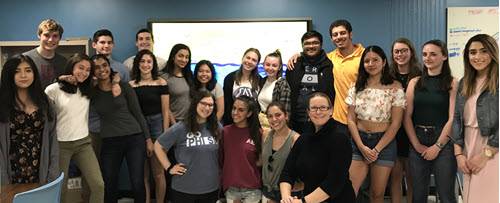
Cohort 4 (2017-2018)
- Caffeine & sugar-sweetened beverage consumption and mental health in college students
- Comparison of techniques for estimation of peak height velocity
- Dietary patterns as a factor in rates of growth and maturation in adolescent females
- Socioeconomic and musculoskeletal correlates of hormonal contraceptive use
- Variation of body composition and bone properties around peak height velocity
Research Stream Collaborators

Barrett Brenton
Faculty Engagement Associate
Center for Civic Engagement
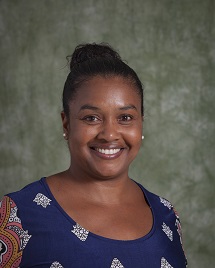
Miesha Marzell, PhD
Associate Professor; Associate Professor, Public Health Division
Public Health; Decker College of Nursing and Health Sciences
Research Interests

Research Interests
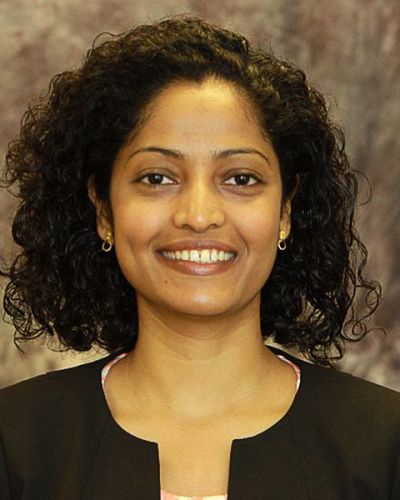
Deena B. Thomas, PhD, MPH
Assistant Professor
Decker College of Nursing and Health Sciences; Public Health
Research Interests