FRI Molecular & Biomedical Anthropology Research Stream
Unravel Human History and Health—Explore Genetics to Understand Health and History
Molecular anthropology is about taking a genetic approach to understanding human evolution and biological diversity. Our genetics provides insight into the history of populations (how migrations and other demographic events have structured human populations), and how we have have been evolving to adapt to different environments and the risk posed by diseases. In the Molecular & Biomedical Anthropology research stream, students learn how to design and conduct genetic research projects to address specific questions in these areas. Our current research specifically focuses on two main topics: human genetic diversity in the understudied populations of the Middle East and Oceania, and genetics of Lyme disease bacteria and other tick-borne diseases. In order to do so, members of our laboratories utilize genetic data from numerous large databases as well as an extensive archive of biological specimens housed at our [Binghamton University’s] Biospecimen Archive Facility.
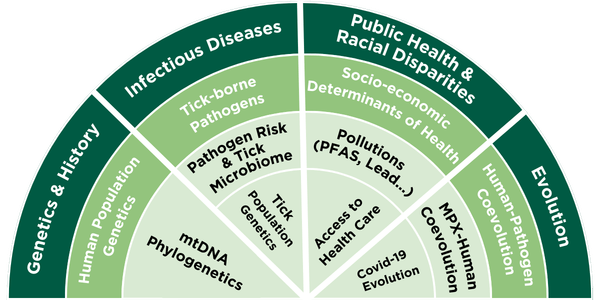
Molecular & Biomedical Anthropology research intersects disciplines of anthropology, genetics, microbiology, medicine, and ecology. The research questions our FRI students investigate are in the context of understanding human populations' histories, as well as their evolution relative to infectious and non-infectious diseases.
Research Themes
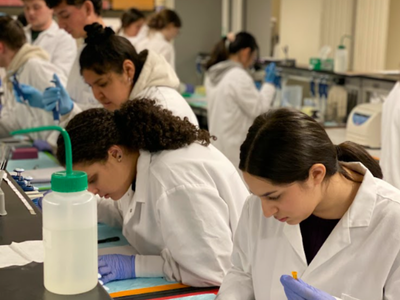
Genetic Sequencing
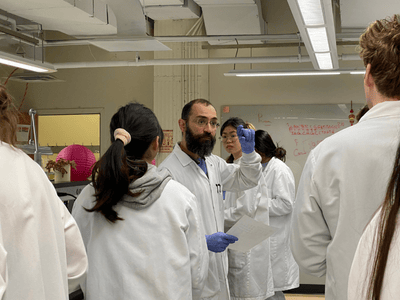
Social Health Determinants
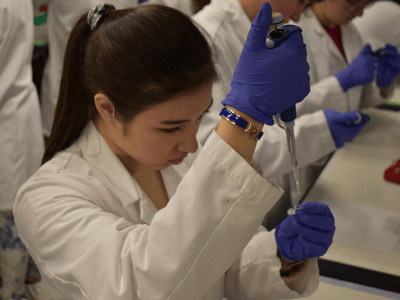
Pathogen Prevalence
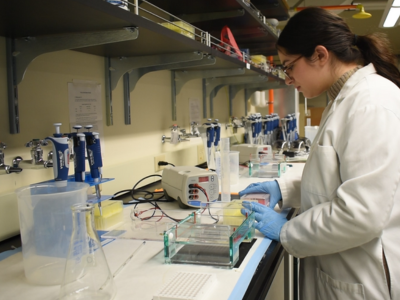
Human-Pathogen Coevolution
Research Educator
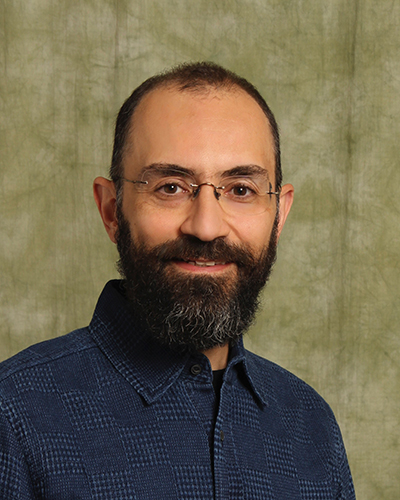
Michel Shamoon Pour
Molecular and Biomedical Anthropology, Research Associate Professor
First-year Research Immersion Program
Research Interests
Dr. Michel Shamoon-Pour is a molecular anthropologist specializing in population genetics and paleogenomics. Shamoon-Pour is the Research Educator for the Molecular and Biomedical Anthropology stream. His research primarily focuses on the genetics of understudied populations of the Middle East and Oceania. A microbiologist by training, Shamoon-Pour's research also focuses on the diagnostics of Lyme diseases as well as the genetics of Lyme disease bacteria and its tick vectors. A member of the FRI program since 2016, Shamoon-Pour prioritizes science education and undergraduate research mentorship. In training his students, Shamoon-Pour highlights the multidisciplinary nature of research in Biomedical Anthropology, the ethical challenges in genetic research, and the significance of socioeconomic factors as determinants of health.
Research Techniques
Lab Work
Skills

- Pipetting
- DNA-free benchtop work
- Lab note taking
Techniques
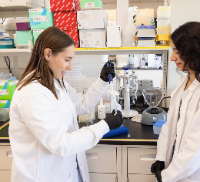
- DNA Extraction
- DNA quantification
- PCR and quantification PCR
- Gel Electrophoresis
Instruments
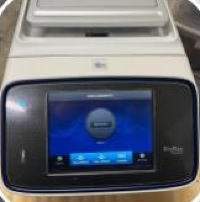
- CR and qPCR machines
- NanoDrop and Qubit
- Electrophoresis
- Sequencers (Sanger and Nanopore)
Data Analysis
Statistical Analysis and Data Visualization

- RStudio
- Excel and Google Sheets
Phylogenetics
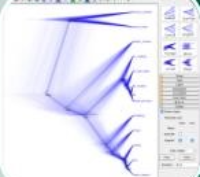
- MEGA
- Network
- BEAST, FigTree
Databases

- NCBI (GenBank,...)
- GISAID
- WHO databases
Research Projects
-
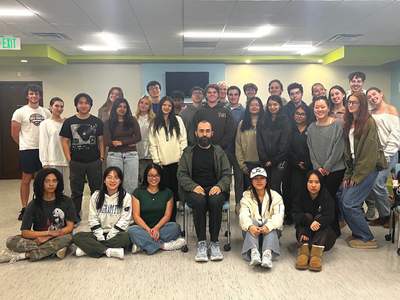
Cohort 11 (2024-2025)
- A comparison of healthcare efficiency of the U.S. with similarly developed countries
- Distribution of indigenous mitochondrial haplogroups in North America
- Prevalence of Rickettsia buchneri and human pathogens in Ixodes scapularis tick
- Reemergence of Mpox: epidemiological properties and current trends
- Uncovering population dynamics of Ixodes scapularis tick using genetic diversity
-
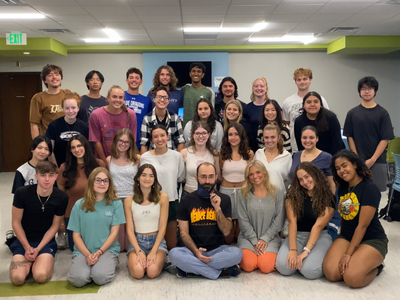
Cohort 10 (2023-2024)
- Co-occurrence of Rickettsia buchneri and human pathogens in blacklegged ticks in Binghamton
- Per- and Polyfluoroalkyl substances (PFAS) in municipal water: a comparative study of New York and Alabama
- Population genetics of Ixodes scapularis tick: a mitochondrial DNA perspective
- The initial migration into the Americas: an mtDNA perspective
- Vaccination as a selective pressure: the evolution of SARS-CoV-2 Alpha variant
-
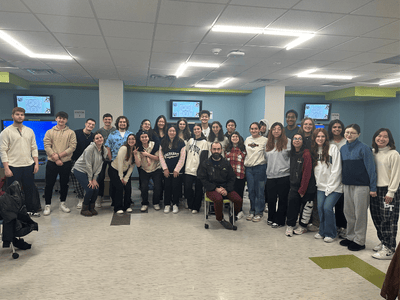
Cohort 9 (2022-2023)
- Bacterial microbiome of Ixodes scapularis ticks collected in Binghamton, NY
- Coming to America: an mtDNA perspective on the New World’s first migration
- Prevalence of tick-borne pathogens in Ixodes scapularis ticks collected in Binghamton, NY
- The effect of vaccination on the evolution of the SARS-CoV-2 B.1.351 variant
- The rapid evolution of the 2022 Monkeypox outbreak: an investigation of APOBEC3-derived mutations
-
Cohort 8 (2021-2022)
- Evolution of SARS-CoV-2 Omicron Variant BA.5; the spike glycoprotein perspective
- Microbiome composition in Ixodes scapularis ticks of Broome County, NY
- Mitochondrial genetic makeup of Western Iranian population
- Prevalence of human pathogens in Ixodes scapularis ticks of Southern Tier , NY
- The phylogeography of mitochondrial haplogroups P and Q
-
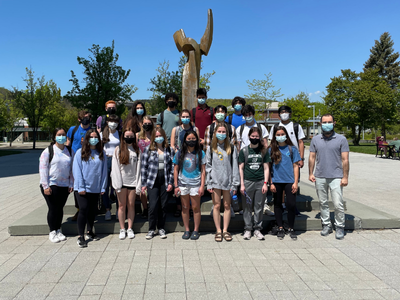
Cohort 7 (2020-2021)
- Genetic variation and the differential susceptibility of human populations to SARS-CoV-2 infection
- Investigating reported associations between human Mitochondrial diseases and mtDNA Haplogroups
- Phylogenetic analysis of the SARS-CoV-2 Delta (B.1.617.2) and Delta Plus (AY.1) variants
- Phylogeography of Mitochondrial lineages in China: an ancient DNA perspective
- Tracking the evolution of SARS-CoV-2 spike Glycoprotein in variants of concern
-
Cohort 6 (2019-2020)
- Investigating the phylogeography of human haplogroup W: a mitogenomic perspective
- Lineages of Y-chromosome O and C haplogroups in West Asia: signatures of Mongol conquests?
- Pandemic report: comparative analysis of SARS-CoV-2 phylogenetic trees
- Pandemic report: tracking variations in SARS-CoV-2 spike glycoprotein
- Tales of three clades: phylogenetic analysis of human Y-chromosome J1a
-
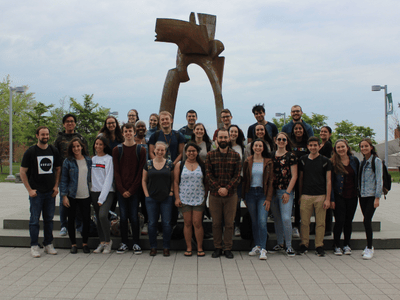
Cohort 5 (2018-2019)
- Full Mitogenomes of West Papuan Populations: The First Peopling of Sahul
- Genotyping Lyme Disease Bacteria Borrelia burgdorferi by targeting Decorin-Binding Protein A (DbpA)
- Phylogenetic Analysis of Mitochondrial DNA Lineages From Regional Populations of Georgia
- Population Genetics of Georgia's Mingrelia Region: A Mitochondrial DNA Perspective
- Population Genetics of Ixodes scapularis, the Tick Vector of the Lyme Disease in the Southern Tier Region
-
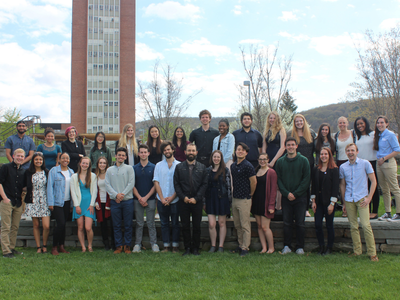
Cohort 4 (2017-2018)
- Human Mitochondrial Genetic Diversity In Western Iran
- Origins and Dispersal of Ixodes scapularis, the Tick Vector of the Lyme Disease in the Southern Tier Region: a Mitochondrial DNA Perspective
- OspC Typing of Borrelia burgdorferi, the Lyme Disease Bacteria, in the Tick Populations of the Southern Tier Region
- Population Genetics of Southern Anatolia according to mitochondrial DNA
- Prevalence of Prion Protein Gene Variants Among Kuru Affected Populations of Papua New Guinea
-
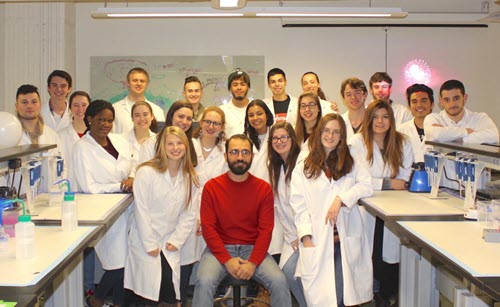
Cohort 3 (2016-2017)
- Prevalence of the Lyme Disease Spirochete in the Reservoir And Vector in Upper Susquehanna River Basin
- Human Settlement History of Southern Coast of Papua According to Mitochondrial DNA
- Human Settlement History of Papuan Highlands According to Mitochondrial DNA
- Mitochondrial DNA Diversity in Northern and Western Iranian Populations
- Association Between Mutations in LCT Gene And Lactase Persistence
Research Stream Collaborators

Research Interests

Yetrib Hathout
Graduate Director and Professor, Pharmaceutical Sciences
School of Pharmacy and Pharmaceutical Sciences
Research Interests

Research Interests

D. Andrew Merriwether
Professor; Collegiate Professor for College in the Woods
Anthropology; Residential Life
Research Interests