FRI Drug Discovery Research Stream
From Lab to Life: Discover New Pathways to Combat Diseases with Cutting-Edge Therapies
Drug discovery focuses on how organic molecules function and, in turn, then can be used to address medical problems. The research carried out by first-year students in the Drug Discovery research stream at Binghamton University contributes to better understanding of how to improve targeted delivery of biomedicine in the human body. In particular, the stream research focuses on understanding the role and requirement of biomolecules in neurological disorders and cancer. Researchers within this steam will identify molecular targets for therapeutic treatment.
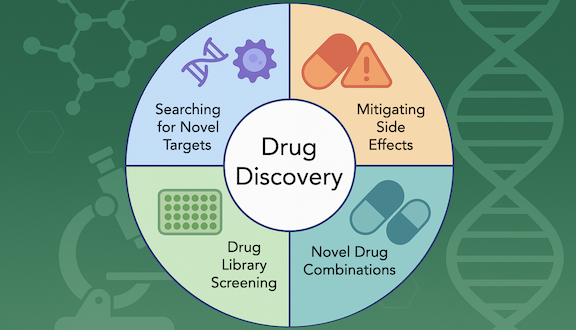
Drug Discovery research intersects the traditional disciplines of Pharmacology, Chemistry, Genetics, Biology, Medicinal Chemistry, Cellular Biology, Neurochemistry, and Molecular Biology. The research questions our FRI students explore are to investigate biomolecules in neurodegenerative diseases and cancer to better understand how they function and, in turn, provide insight in targeting and designing novel medicinal therapies.
All of the research projects in this field will advance medicinal practices. Each discipline, neurochemistry, genetics, molecular and cellular biology, biophysics, medicinal chemistry, and pharmacology, is intertwined to allow for an increased understanding of cellular complexities and will aid in developing therapeutic avenues to support public health.
Research Themes
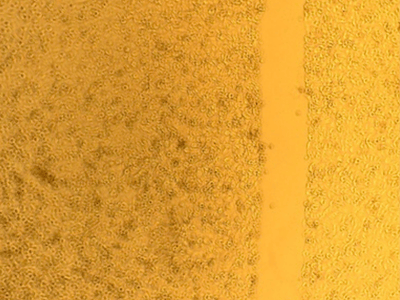
Slowing Cancer Cell Growth
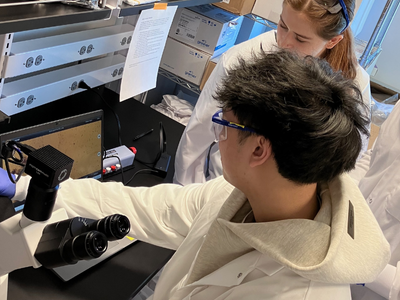
Reducing Side Effects
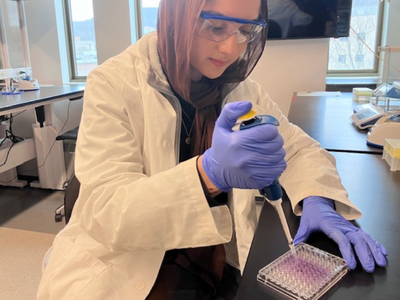
Novel Drug Combinations
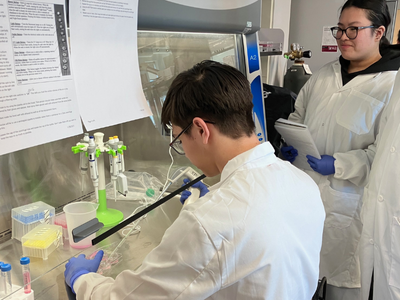
Natural Product Therapies
Research Educator
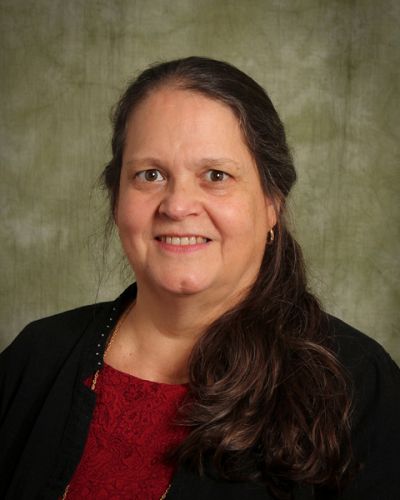
Patricia Wolfe
Drug Discovery, Research Assistant Professor
First-year Research Immersion Program
Research Interests
Dr. Patricia (Patti) Wolfe is the Research Educator for the Drug Discovery Stream,
which focuses on searching for pharmaceuticals that can be redirected as new therapies.
A library of FDA-approved drugs will be probed using techniques such as fluorometric
and colorimetric plate assays, in-silico screening, and differential scanning to identify
targets that can be further characterized for activity against human diseases that
differ from the condition for which the drug was previously approved. She has found
great satisfaction in mentoring undergraduate and graduate students in their development
as scientists.
Research Techniques
Lab Skills
Liquid Handling
- Pipetting
- Serial solutions
Tissue Culture
- Sterile technique
- Cell passage
Plate Assays
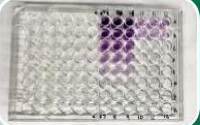
- Viability assays
- Protein assay
Microscopy
- Cell counting
- Wound healing assay
Analysis
Drug Library Screens
- Drug repurposing
- Combination Therapies
Protein Analysis
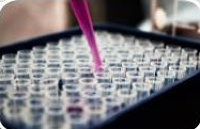
- Protein Extraction
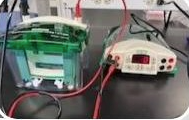
- Electrophoresis
RNA/DNA Analysis
- RNA/DNA Extraction
- qPCR
Data Analysis
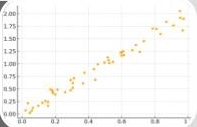
- Excel
- GraphPad prism
Research Projects
-
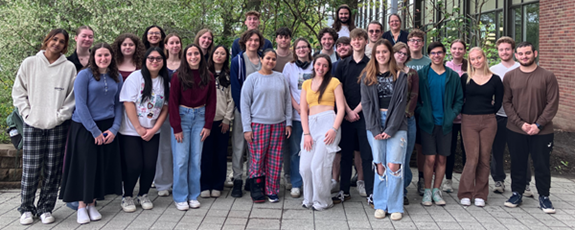
Cohort 11 (2024-2025)
- Bridging immunology and oncology: Utilizing JAK inhibitors and chemotherapy drugs to treat pancreatic cancer
- Effect of thiamine-like drugs on transketolase activity in FL83B cells
- Evaluating hepatoprotectivity of glycyrrhizin and silibinin for pyrazinamide-induced liver injury
- G-quadruplexes as drug targets for pancreatic cancer
- Toxicity of biofilm releasing agents in FL83B cells
-
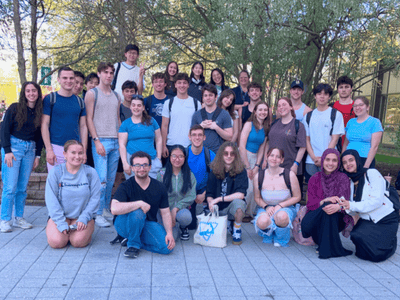
Cohort 10 (2023-2024)
- Effect of TLR-7 inhibition on an agonist-induced HEK-Blue TLR7 cell line
- Stabilization of MYC G-quadruplex by small molecule ligands
- Synergistic effects of MMP-9 and tubulin inhibition in A549 lung carcinoma cells
- Synergistic treatment with puromycin and vorinostat of MYC-driven lung cancer
- The synergistic effect of natural compounds on combating non-alcoholic fatty liver disease
Research Stream Collaborators
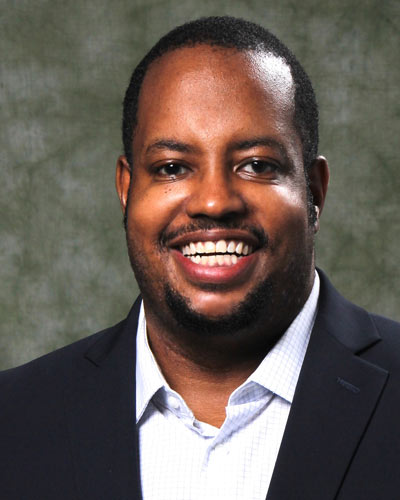
Tony Davis
Assistant Professor, Pharmaceutical Sciences
School of Pharmacy and Pharmaceutical Sciences
Research Interests
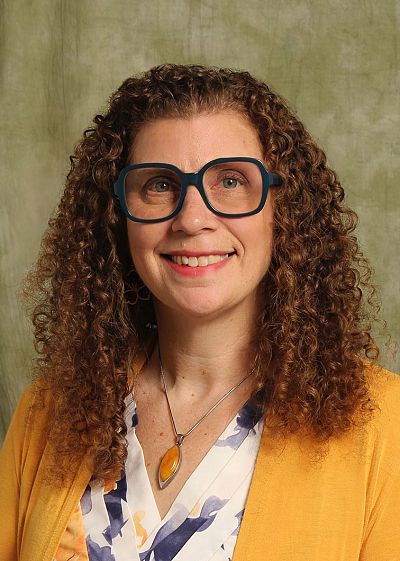
Tracy Brooks
Chair and Associate Professor, Pharmaceutical Sciences
School of Pharmacy and Pharmaceutical Sciences
Research Interests
Katie Edwards
Assistant Professor, Pharmaceutical Sciences
School of Pharmacy and Pharmaceutical Sciences
Research Interests
Research Interests
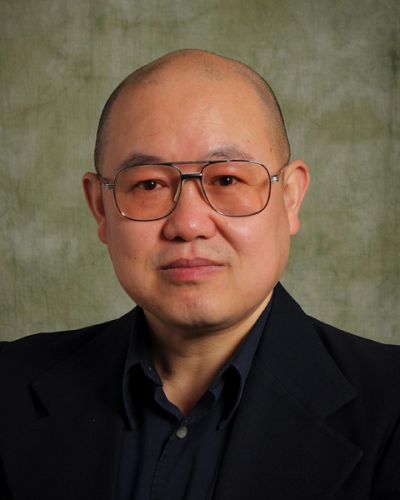
L. Nathan Tumey
Assistant Graduate Director; Vice Chair and Associate Professor, Pharmaceutical Sciences
School of Pharmacy and Pharmaceutical Sciences
Research Interests